Song Meaning
This song paints a vivid picture of a relationship caught in a tempest of uncertainty. The narrator pleads for closeness, for reassurance that they won't be lost, yet admits a deep unease: "Coccosa ccà nun va" (Something here isn't right). This internal storm mirrors an external force, perhaps the sea waiting, creating a palpable sense of impending separation and inner turmoil. The dominant tone is one of desperate longing against a backdrop of inevitable change.
The central tension lies in the cyclical nature of their connection, a push and pull between seeking permanence and succumbing to transience. The lyrics confess, "Ê vvote ce cercammo pe sempe / E ce perdimmo dint'a niente" (Sometimes we look for each other forever / And we get lost in nothing). This paradox of searching for forever only to dissolve into nothingness highlights the fragility of their bond. Fate, described as "'A ciorta ggira comme 'o viento" (Luck turns like the wind), is a relentless force that prevents any lasting peace.
The most striking image is the flower carried away by the wind: "Nu sciore s'è purtato 'stu viento / E a me nun resta niente" (This wind carried away a flower / And nothing is left for me). This potent metaphor encapsulates the loss of something beautiful and delicate, leaving the narrator with emptiness. The wind, a recurring motif, represents the uncontrollable forces that disrupt their lives and scatter their hopes, much like it scatters petals, leaving behind only the ache of absence.
Ultimately, the song resonates because it captures the universal ache of loving someone amidst forces beyond our control. The lyrics articulate the painful realization that even the deepest desires for connection can be undone by fate's capricious turns. The repeated desire to "me ne jesse areto" (go back) underscores a yearning for a past state of stability, a poignant wish against the relentless, unsettling present.
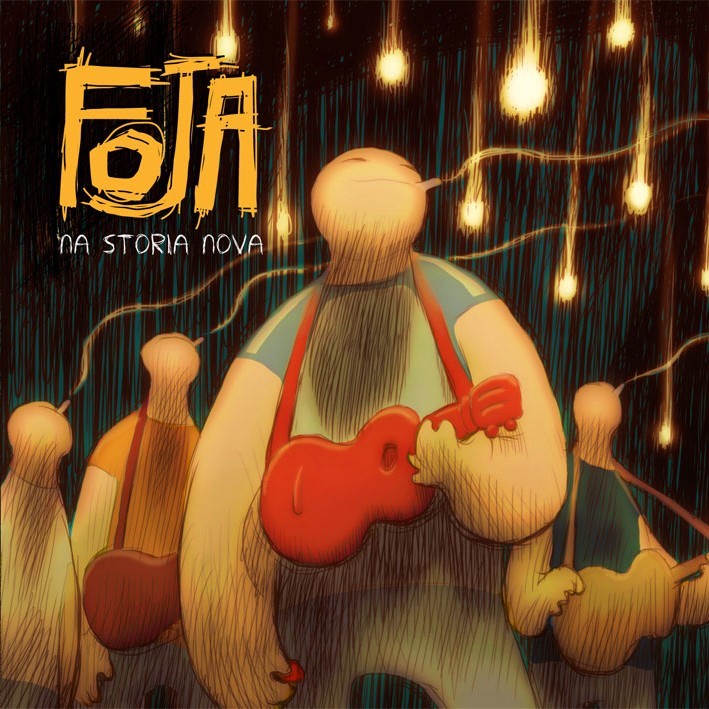
 View Artist