Song Meaning
This song paints a picture of a refuge found in love, a sanctuary from the relentless march of time and past hardships. The narrator addresses their beloved, acknowledging a shared history of struggle before finding this present moment. The lyrics suggest a desire to escape the destructive patterns of life – "First you burn it, then you curse it" – and instead build a future together, even if it's just for a fleeting instant. The core idea is creating a protected space where time feels suspended, allowing for stolen kisses and whispered words that hold immense value.
The central tension lies in the contrast between the harshness of the outside world and the protective embrace of the "refuge" offered. The narrator speaks of a place "where the whip of time doesn't strike," a deliberate creation to shield their love from the decay and judgment that life often brings. This refuge isn't just a physical space but an emotional and temporal one, where a lifetime can be lived in a single minute, and where profound, unspoken truths can finally be articulated. It’s a deliberate act of carving out a sacred space amidst chaos.
The most striking craft element is the juxtaposition of the mundane with the profound. The image of the "laptop of death" and "words that reminded of money" grounds the past in a gritty reality, perhaps hinting at struggles with work or existential dread. This is then contrasted with the idealized "refuge" and the desire to "have children" and "think about later." The narrator’s ability to "see you even when we turn off the light" and how "the hidden world treasures" this connection highlights a deep, almost mystical bond that transcends the physical and temporal limitations they are trying to escape.
Ultimately, the lyrics resonate because they articulate a universal yearning for a safe harbor in a turbulent existence. The writing effectively captures the feeling of finding profound meaning and solace in another person, creating a private universe where time bends and unspoken emotions find expression. The power lies in the narrator’s active creation of this sanctuary, suggesting that love itself can be the ultimate refuge, a place where the hidden world of shared intimacy becomes a treasure more valuable than anything else.
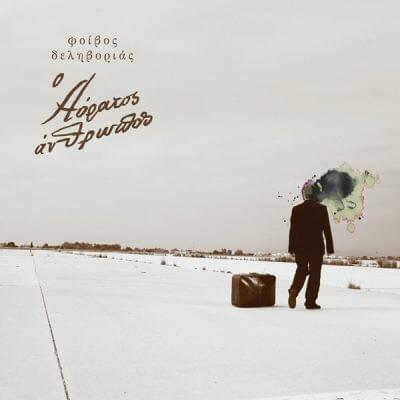
 View Artist