Song Meaning
The lyrics paint a stark picture of profound disconnection from oneself. The narrator feels like a stranger in their own skin, a mere echo of who they once were, questioning the whereabouts of a love that seems lost to an immense internal chasm. This feeling of being adrift is amplified by the recurring, almost incantatory phrase, "10,000 years behind my mind," suggesting a temporal and emotional distance so vast it feels like an eternity.
The central tension lies in the narrator's struggle with a world perceived as overwhelmingly painful and strange, coupled with an urgent desire for change. This inner turmoil is juxtaposed with an outward facade of normalcy – "the face still smiles and the eyes still weep." This internal/external dissonance highlights a deep-seated suffering that remains hidden beneath a composed exterior, a silent scream lost in the passage of time.
The most striking element is the hyperbole of "10,000 years." It's not just a long time; it's an epoch, an unfathomable gulf separating the present self from any sense of continuity or past identity. This exaggeration powerfully conveys the depth of the narrator's alienation and the overwhelming weight of their pain, making the internal landscape feel ancient and inaccessible.
Ultimately, the effectiveness of these lyrics stems from their raw, almost desperate articulation of profound self-estrangement. The repeated, weighty phrase and the contrast between inner sorrow and outward composure create a palpable sense of emotional isolation. The narrator's plea for change, buried under millennia of perceived mental distance, resonates as a cry from a place of deep, almost timeless, hurt.
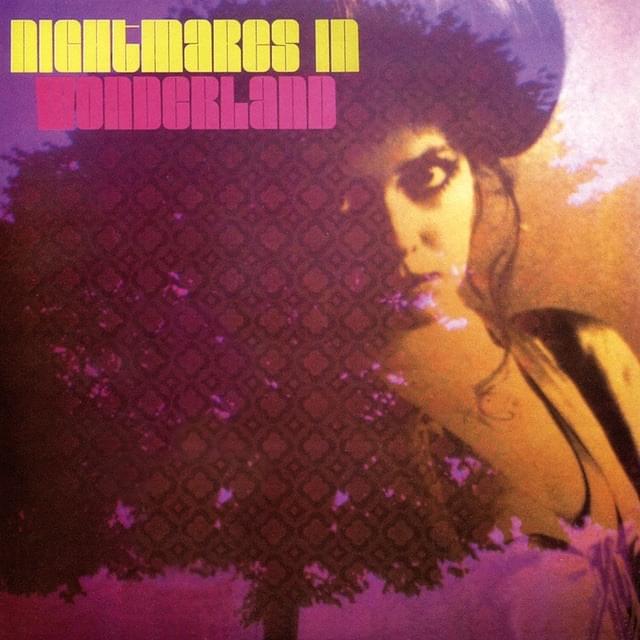
 View Artist