P’s March
Song Meaning
The track "P's March" immediately signals a distinct choice with its explicit "[Instrumental]" notation. This isn't a song with hidden meanings in its verses; it's a deliberate void, inviting a different kind of listening. The lack of a verbal narrative shifts the entire focus onto the sonic experience. This bold declaration sets a unique stage for engagement. The central tension here arises from the listener's natural inclination to seek meaning in words, contrasted with the absolute silence of the lyrical space. The "[Instrumental]" designation creates a fascinating paradox: it's a lyric that declares the absence of lyrics. This choice challenges the listener to find emotional resonance purely in the composition, rather than through a guided story or explicit sentiment. It suggests a confidence in the music's ability to communicate without verbal crutches. The most striking craft element is, ironically, the structural decision to omit all verbal content. By explicitly stating "[Instrumental]", the lyrics themselves become a meta-commentary on the role of words in music. It's a bold declaration, stripping away the usual interpretive anchors and forcing an engagement with pure form. This deliberate blank slate empowers the listener to project their own narratives and emotions onto the soundscape, making the experience intensely personal and unmediated. Ultimately, the effectiveness of "P's March" lies in its radical transparency. The "[Instrumental]" label isn't a disclaimer; it's an invitation. It forces a deeper appreciation for the non-verbal elements of music, highlighting how melody, rhythm, and harmony can convey profound emotional depth without a single word. This approach makes the piece resonate powerfully, not by telling a story, but by creating an open space where the listener's own internal world can fully interact with the music. It's a masterclass in letting the music speak for itself.
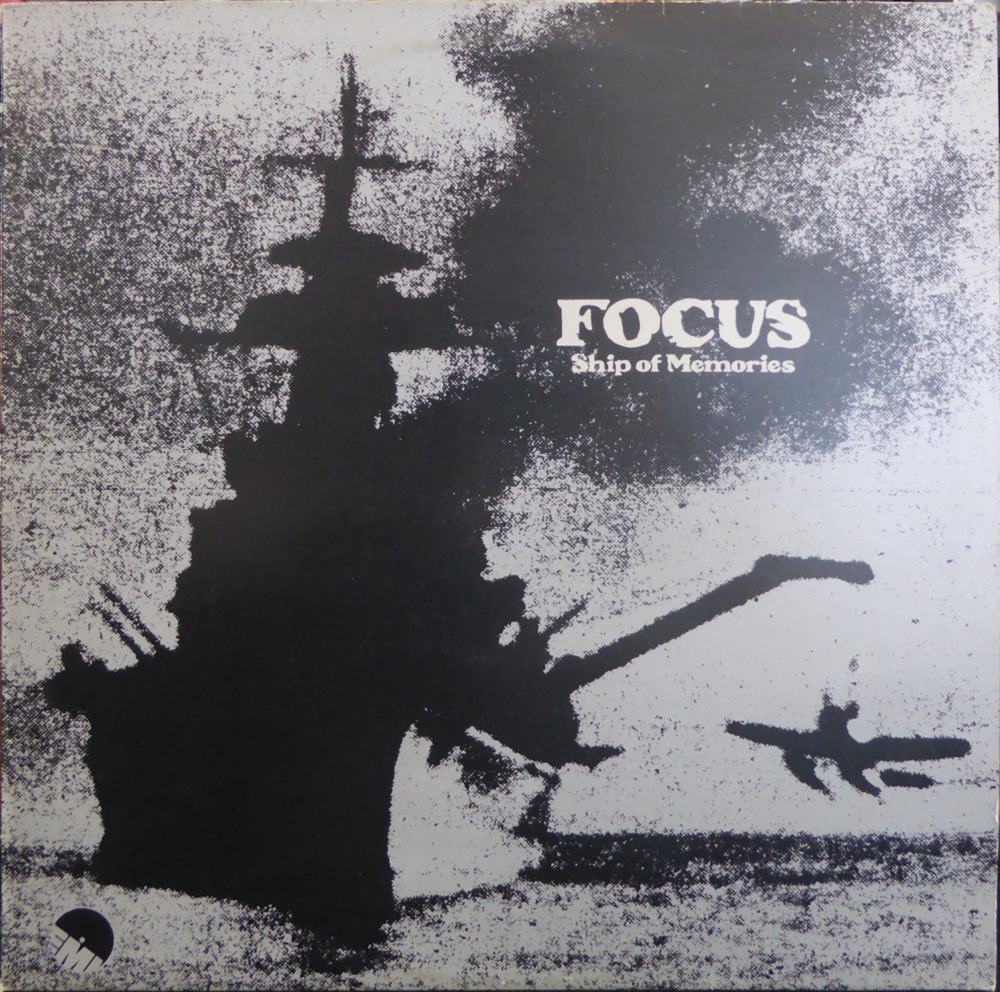
 View Artist
Lyrics
[Instrumental]
Rate this song
0/5.0 - 0 Ratings
Loading comments...
Credits
- Writers
- Thijs van Leer