Song Meaning
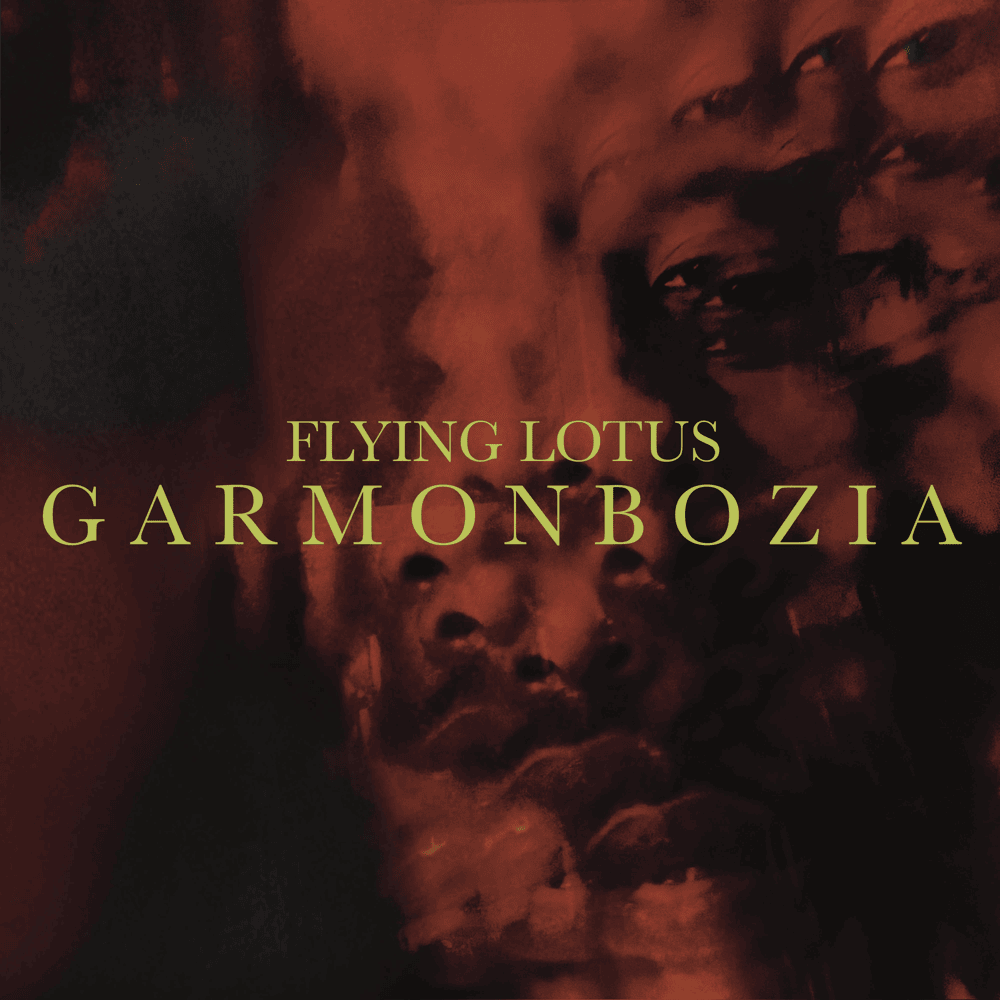
Flying Lotus's "Garmonbozia" plunges into the claustrophobic depths of a relationship, where love warps into a gilded cage. The repeated motif of being "stuck in this room" and "living inside of this dream of you" immediately establishes a sense of unhealthy co-dependence. It's the kind of bond where individuality dissolves, replaced by a shared, potentially toxic, fantasy. The "dream" isn't aspirational; it’s a trap. The lyrics don't depict blossoming love, but rather a static, airless existence. The question "Is it the future or past tomorrow?" suggests a disorienting cyclical nature to this entrapment, a feeling of being unstuck in time, doomed to repeat the same patterns.
The recurring "red room" isn't just a physical space; it's a psychological state. The color red often symbolizes passion, but also danger and confinement. Within this crimson space, the inhabitants have "lost the way home," suggesting a loss of self and direction. The line "they won't let you out now" hints at forces, perhaps internal anxieties or external pressures, that maintain this unhealthy dynamic. It's a space where escape is not an option, and the characters are condemned to exist in a perpetual state of emotional intensity and stagnation. The repetition of these phrases throughout the song reinforces the feeling of being stuck in a loop, mirroring the cyclical nature of unhealthy relationships.
Furthermore, the offering of "all of my pain and sorrow" is not an act of vulnerability, but rather a transfer of burdens, a way of solidifying the bond through shared misery. It speaks to a dynamic where pain becomes a currency, a means of maintaining connection. The song meaning, therefore, isn't about love in its purest form, but about the darker aspects of attachment: the loss of self, the fear of freedom, and the addictive nature of shared suffering. Flying Lotus uses sparse lyrics and haunting repetition to paint a portrait of emotional imprisonment, leaving the listener to ponder the subtle lines between love, obsession, and self-destruction.
 View Artist