Song Meaning
The lyrics paint a vivid picture of someone clinging to a past love, even when reality suggests it's over. The narrator acknowledges the possibility that the other person might no longer be interested or might have completely forgotten them, yet the internal struggle persists. The core of the song lies in this persistent longing, a refusal to accept the finality of the separation. The repeated phrase "Tonight is just one night" suggests a fleeting moment of hope or a temporary escape into memory, contrasting sharply with the enduring pain of loss.
The central tension arises from the narrator's inability to reconcile their feelings with the current situation. They admit that the desire to have the person back feels "foolish" or "stubborn," yet they cannot "admit" or "realize" a life without them. This internal conflict is palpable, as the heart refuses to catch up with the mind's understanding of the situation. The lyrics express a deep-seated resistance to moving on, a feeling of being trapped in a loop of remembrance and yearning.
A striking element of the craft is the direct address and the plea embedded within the chorus: "Once, please listen to my heart." This repeated request, coupled with the constant refrain "Every day, every night, I am missing you," emphasizes the overwhelming and ceaseless nature of their longing. The contrast between the external reality – "even if you're not by my side, even if I can't see you anymore" – and the internal state – "you are always the same in my heart" – highlights the depth of their emotional attachment. The final lines, "In my heart, you are the only one the same," and "In my heart, you are the same," powerfully underscore this unwavering devotion.
What makes these lyrics so effective is their raw portrayal of unrequited or lost love. The writing doesn't shy away from the painful persistence of memory and emotion, even when it's illogical. The simple, direct language of the chorus, especially the English phrases, cuts through the Korean verses with an almost desperate clarity. It captures that universal ache of wanting what you can't have, of holding onto a feeling that the other person may no longer share, making the narrator's plight feel intensely personal and deeply felt.
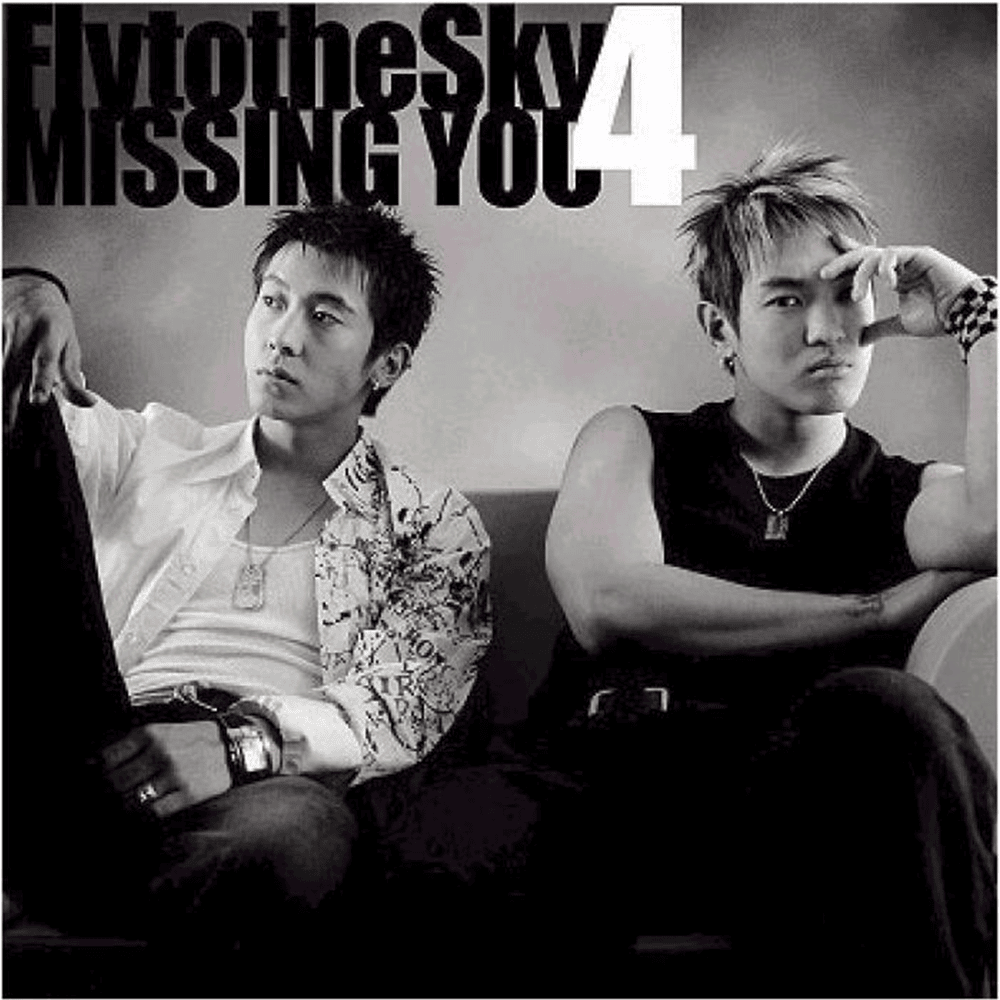
 View Artist