Song Meaning
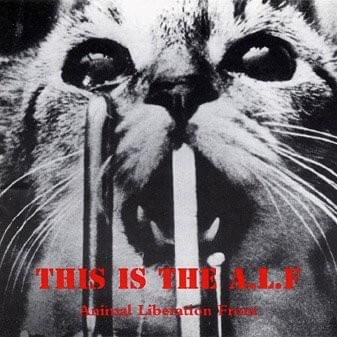
The lyrics paint a stark picture of willful ignorance and delayed empathy, using a series of escalating animal and human tragedies to highlight the narrator's frustration. The opening lines immediately establish a disconnect, with the narrator urging someone to "look and see" a pet dog suffering. This initial plea is met with indifference, setting the stage for a pattern of denial that the narrator finds infuriating.
The central tension arises from the listener's apparent apathy towards suffering that doesn't directly impact them, contrasted with their sudden distress when the calamities hit home. The narrator points out a history of neglect, mentioning "it wasn't your cat" and animals tested with spray, to which the listener "simply turned away." This deliberate inaction is juxtaposed with the current, personal horrors: a son's rabbit being "bloated with whiskey and gin," a grandmother with "a hole in the head," and a wife "split in two."
The most striking craft element is the relentless, almost grotesque escalation of the misfortunes. It moves from a dog's needle-in-eye to a son's rabbit being drugged, then to severe human injuries, culminating in the chilling question of when the listener's "own dear son" will be caged. This progression isn't just about increasing severity; it's a deliberate, almost taunting, demonstration of how abstract suffering becomes real only when it mirrors personal loss. The repeated phrase "your own" emphasizes the shift from external problems to internal ones.
This lyrical construction is effective because it mirrors a common human failing: the tendency to compartmentalize and ignore pain until it breaches our own defenses. The narrator's voice is one of exasperated accusation, forcing the listener (and by extension, the reader) to confront their own potential for selective empathy. The final lines, "But it's only when it happens to you," deliver a blunt, uncomfortable truth about the nature of compassion, or the lack thereof.
 View Artist