Song Meaning
The lyrics present a shocking and aggressive invocation of violence, framed by the repeated, stark command: "Let's rape!" This isn't a narrative of personal trauma but a broad, systemic indictment. The targets are diverse: the working class, the disenfranchised, families, racial minorities, and even abstract concepts like law and truth. The sheer scope of the aggression suggests a critique of pervasive, unchecked power and a desire to dismantle societal structures through brutal force.
The central tension lies in the juxtaposition of this extreme violence with political slogans and historical atrocities. The repeated phrase "Make America Great Again!" is twisted into "Make America Rape Again!" and "Make America Enslave Again!" This directly links the destructive impulse to a specific, albeit distorted, vision of national identity. The explicit references to historical injustices like the Trail of Tears and the persecution of Black and queer people ground the abstract call for violence in a grim historical reality, suggesting these acts are not new but a continuation of established patterns of oppression.
The most striking aspect of the craft is the relentless, almost percussive repetition of "Let's rape!" It functions as a brutalist manifesto, stripping away any pretense of nuance. The lyrics then escalate from physical violation to extermination, culminating in the chilling declaration, "Until raping doesn't cut it so we kill them all until they're all gone!" This progression highlights a terrifying logic of escalating brutality, where the initial act of violation is insufficient to achieve the desired outcome of total subjugation and erasure.
This writing is effective because it weaponizes shock and historical trauma to create a visceral reaction. By forcing the listener to confront the ugliest impulses and historical failures of power, the lyrics aim to provoke a profound discomfort and a critical re-examination of societal dynamics. The direct, unvarnished language, combined with the chilling appropriation of political rhetoric, creates a potent and disturbing commentary on the potential for violence inherent in systems of control and oppression.
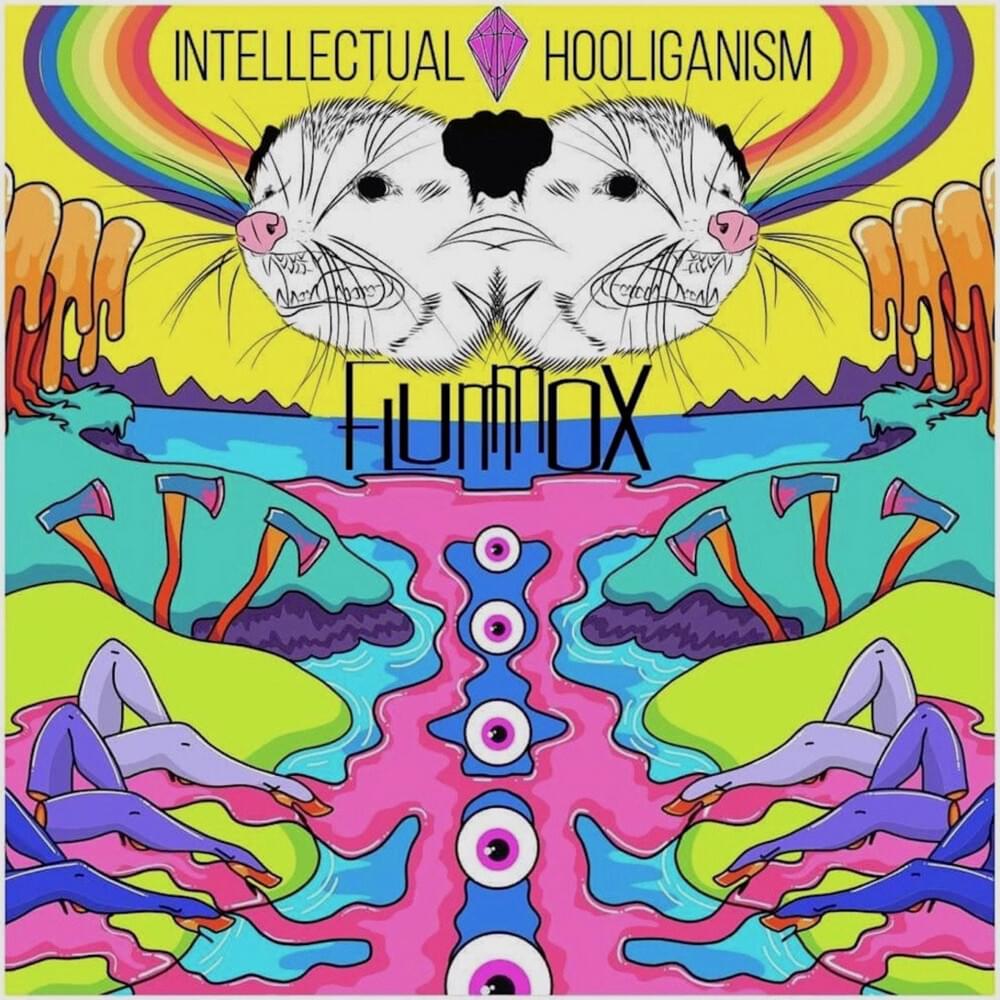
 View Artist