Song Meaning
These lyrics paint a vivid picture of a woman bidding farewell to a man, her heart heavy with longing and unspoken fears. She watches him depart, her world momentarily defined by his absence. It's a scene steeped in a profound, aching sadness.
The central tension here is a classic one: "The man chases only the future / The woman keeps waiting for that future." This societal expectation clashes brutally with the narrator's raw, immediate desires. She yearns not for a distant promise, but for the tangible present, confessing, "Honestly, more than the future, I want the present moment." This reveals a deep vulnerability, a plea for connection over abstract hope.
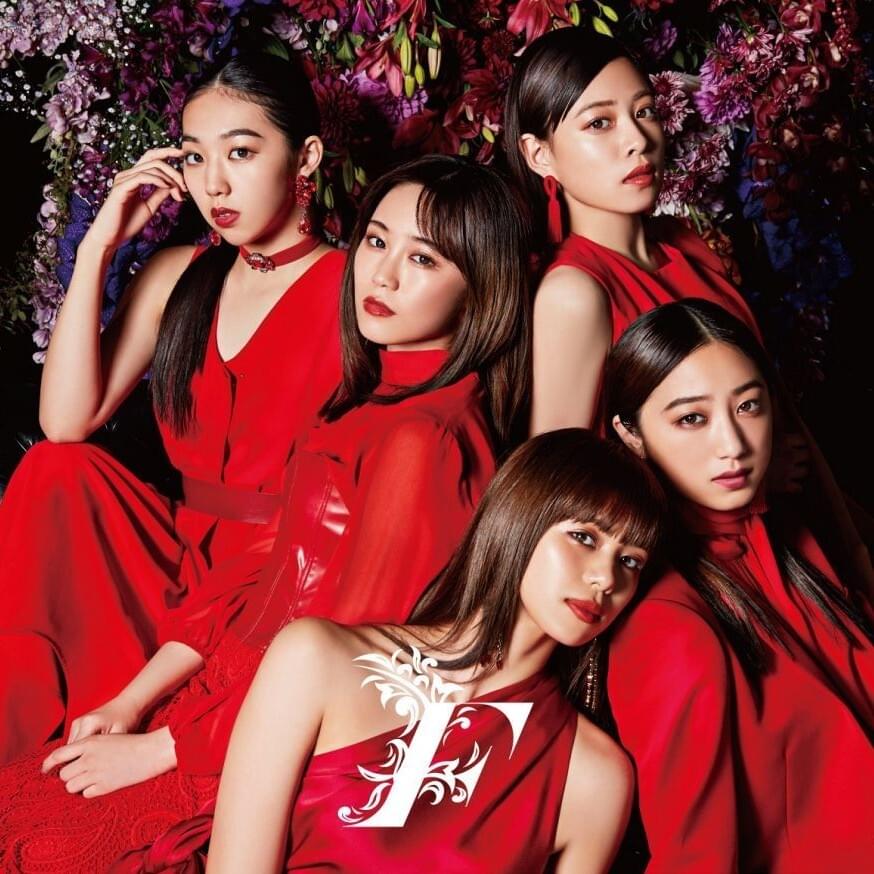
The imagery of the "crimson dress" is particularly striking, evolving from the "spreading sunset" to the "burning chest" that dyes the fabric. It's a powerful metaphor, transforming external beauty into an embodiment of her internal passion and pain. Further amplifying this visceral emotion is the onomatopoeia "shururu shururi," which describes tears flowing through "deep black darkness" and her wandering through the moonlit night, creating a soundscape of her profound loneliness.
Adding another layer of emotional depth, the narrator recites a classical poem, "The colors of the flowers have faded," a poignant reflection on impermanence. This allusion immediately triggers a desperate need for reassurance, as she admits, "Each time... I desperately crave proof of being loved." It's a powerful moment, connecting her personal anguish to a timeless lament about fleeting beauty and love, making her fear of being forgotten or unloved feel all the more universal and devastating.
 View Artist