Song Meaning
The lyrics paint a picture of intense adoration, placing the subject on a divine pedestal. The narrator imagines them in a heavenly realm, comparing them to a white dove and a queen, emphasizing their perceived perfection and beauty. This elevated imagery, coupled with direct declarations like "E ti amo" and "Sei sortilegio sei magia," establishes a tone of overwhelming, almost magical love.
The central tension arises from the pain of separation, vividly expressed in the refrain: "Troppo lungo questo tempo / Cosi forte il sentimento / Quando sei lontana / Mi tormento." This contrast between the idealized vision of the beloved and the narrator's suffering when they are apart highlights the depth of the narrator's emotional investment. The songs themselves become a conduit for this powerful, aching love.
The most striking craft element is the consistent use of grand, almost mythical comparisons to describe the beloved, from "paradiso degli dei" to "regina" and "fata." This hyperbole serves to magnify the narrator's feelings, suggesting that ordinary language is insufficient to capture the magnitude of their love. The repetition of "le mie canzoni piu belle / Sono ancora e sempre quelle / Che raccontano / L'amore mio per te" reinforces that these songs are not just expressions, but the very essence of their devotion.
Ultimately, the lyrics resonate because they articulate a love that feels both transcendent and deeply personal. The narrator's willingness to elevate the beloved to divine status while simultaneously confessing their own torment when separated creates a powerful emotional arc. The act of singing these songs "per te" becomes a testament to a love that transcends distance and time, a constant offering of the narrator's most beautiful expressions.
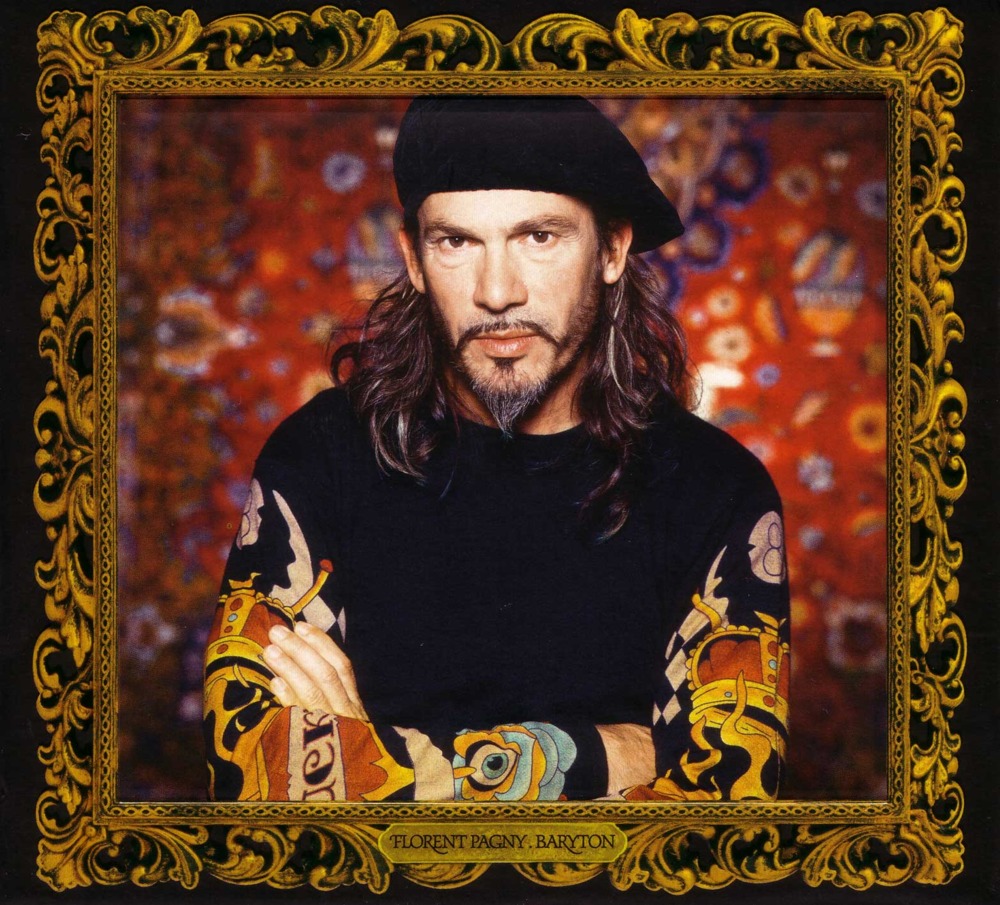
 View Artist