Song Meaning
The lyrics paint a raw, intimate scene of a relationship fraught with unspoken regret and a desperate, cyclical need for escape. The opening lines, "Sciogli I capelli / Spoglia il tuo cuore / Restiamo nudi qui / Senza parole," immediately establish a sense of vulnerability and a desire for complete emotional and physical openness, yet this intimacy is immediately undercut by the narrator's confession: "Non ti ho amato / Mai abbastanza." This admission sets the stage for a recurring pattern of departure and return, driven by an internal conflict that prevents true resolution.
The central tension lies in the narrator's inability to fully commit or let go, caught between the comfort of a familiar, albeit flawed, connection and an overwhelming urge to flee. The repeated refrain, "Finchè pace non avro / Finchè luce trovero / Da te mi rifugero," suggests a search for external peace and clarity that the narrator believes can only be found by returning to the very person they struggle to love enough. This creates a paradoxical loop where seeking solace leads back to the source of unrest, framing the relationship as a refuge that offers no true sanctuary.
The craft here is in the stark contrast between the physical closeness and the emotional distance. The narrator describes waking up "Tra le lenzuola / Come ogni volta" and being pursued by the lover's scent "Che mi segue / In ogni respiro," highlighting an inescapable physical bond. Yet, the persistent confession of flight, "Io fuggo ancora," and the desire to forget "E ti scordero," reveal a profound internal disconnect. The lyrics suggest a deep-seated inability to reconcile desire with emotional capacity, leading to a state of perpetual, self-imposed exile even when physically present.
This emotional paralysis is what makes the lyrics so potent. The narrator is trapped in a cycle of seeking comfort in the familiar while simultaneously trying to escape its implications, confessing a love that falls short and a desire to forget that is constantly thwarted. The repeated plea for peace and light, paradoxically linked to seeking refuge in the relationship, underscores a profound sense of being lost, "Perso nell'oblio," a state that defines the narrator's experience of love and self.
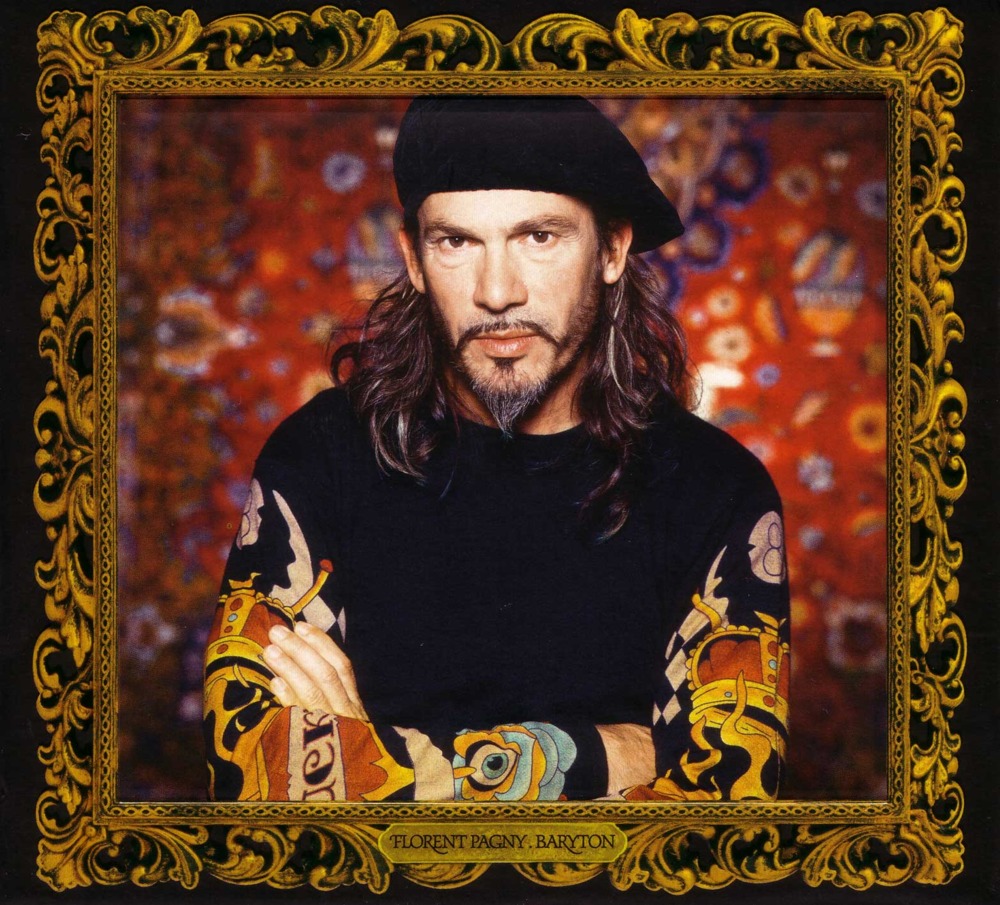
 View Artist