Song Meaning
The lyrics paint a picture of a strained, perhaps familial, relationship where one person feels a deep, unreciprocated sense of obligation. The narrator acknowledges their own struggles, like slipping on ice or facing indecision, but immediately contrasts it with the other person's presence, stating, "you're not my mother." This highlights a boundary being drawn, even as the narrator admits, "you're still my brother." The core tension seems to be between a desire for independence and the lingering pull of a shared past, encapsulated by the repeated refrain, "I was always close to home."
The narrator grapples with a sense of responsibility that feels imposed rather than chosen. They express a wish for the other person's well-being ("wish you well") but also a clear detachment from their life story: "It was not my tale to tell." This internal conflict is amplified by the narrator's awareness of their own limitations and financial concerns, as seen in "I could allow, but I can't afford it." The feeling is one of being tethered to someone else's narrative, even while recognizing its divergence from their own path.
The most striking aspect is the narrator's emotional detachment, presented as a coping mechanism. They admit to being "aware of the cold with which I hold it" and that they "can't spare the time that it's taking" to feel heartbreak. This isn't apathy, but a deliberate suppression of emotion, perhaps born from a history of unmet expectations or a need to survive. The image of "playing dead" beside the brother's bed in the second chorus suggests a past trauma or a period of intense emotional withdrawal, where survival meant feigning absence.
Ultimately, these lyrics resonate because they capture the complex, often painful, reality of being bound to someone by circumstance or history, even when that bond feels like a burden. The narrator's struggle to reconcile their own needs with the demands of this relationship, while maintaining a facade of control, creates a powerful, albeit somber, emotional landscape. The repeated imagery of "snow" and "footsteps" underscores the inescapable nature of this connection, a path laid out by another that the narrator feels compelled to follow, even if it leads away from their own desired destination.
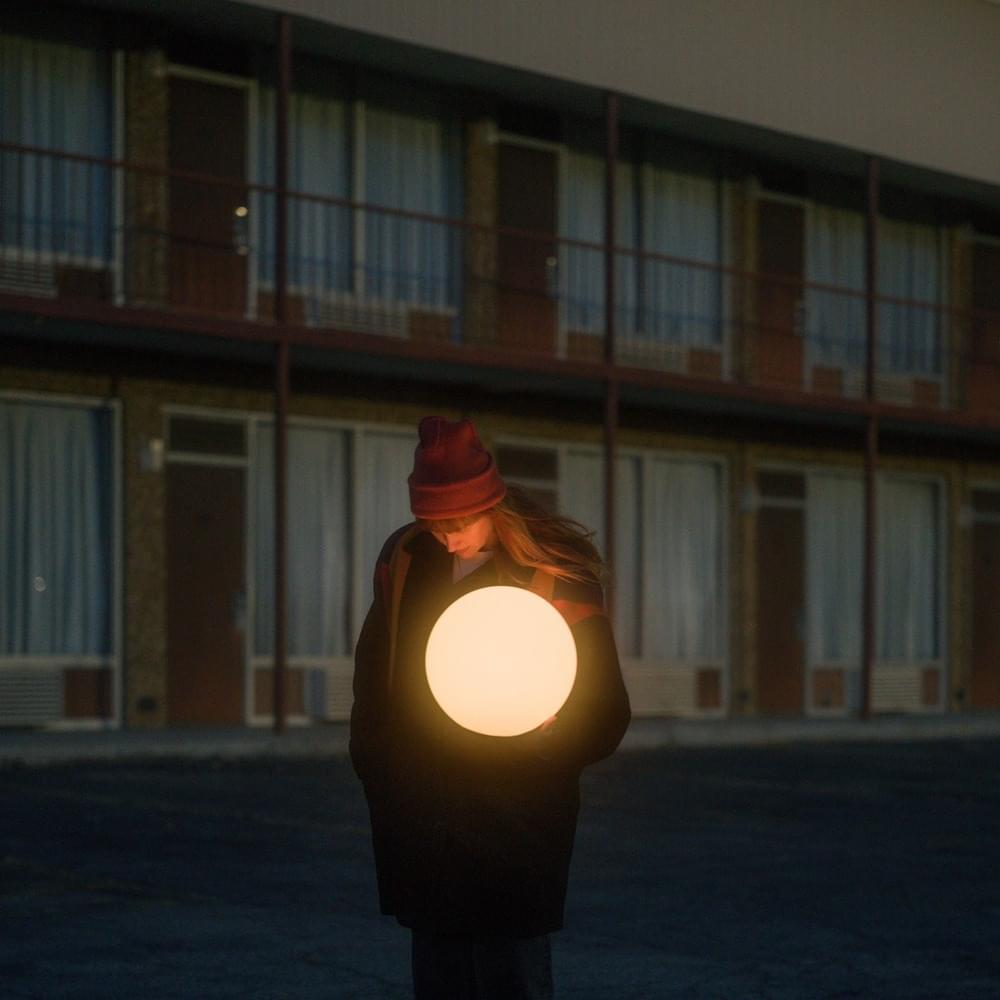
 View Artist