Song Meaning
The lyrics paint a picture of isolation and suspicion, set against a backdrop of failed communication and perceived betrayal. The opening lines suggest a haphazard approach to life, where words and actions are chosen for their immediate appeal rather than genuine meaning, leading to a cycle of disappointment. The narrator feels unheard and disconnected, observing a situation where someone else needs intervention, highlighting a sense of helplessness.
The core tension arises from the narrator's solitude and the pervasive fear that accompanies it. The phrase "silence eternal betrayed" is particularly striking, implying a deep-seated mistrust where even the absence of sound feels like a hostile act. This unease culminates in the suspicion that a "snake in the grass" – a hidden deceiver – is responsible for the current predicament, specifically identifying this culprit as "the last of the wildcards."
The imagery of an "open door an open window" juxtaposed with "a little evil for the greater good's sake" reveals a complex moral landscape. The narrator acknowledges a potential for harm, but frames it as a necessary evil, suggesting a difficult situation where compromises are made. Yet, despite being "sent" with a purpose, the narrator admits to a clouded judgment, "can't see straight," underscoring the confusion and doubt that permeates their experience.
This track resonates because it captures the unsettling feeling of being alone and vulnerable, surrounded by ambiguity and potential threats. The "wildcard" metaphor suggests an unpredictable element causing disruption, and the narrator's struggle to "see straight" while operating under duress makes the fear of betrayal palpable. It's a raw portrayal of navigating a world where trust is scarce and motives are murky.
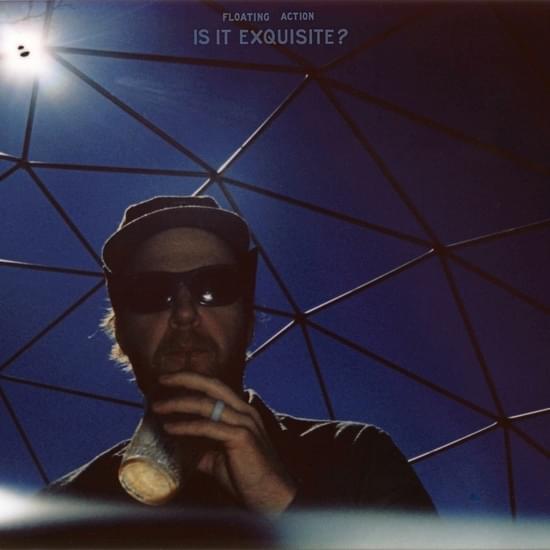
 View Artist