Song Meaning
This intro opens with the familiar, hallowed cadence of "The Lord's Prayer," immediately establishing a sacred and reverent atmosphere. It invokes a higher power, setting a tone of solemn petition and spiritual appeal. The initial lines feel like a traditional invocation, grounding the listener in a well-known ritual.
The emotional core of these lyrics lies in a profound, almost jarring, alteration to the traditional text. The plea shifts from "forgive us our debts" to the stark, absolute "forgive us our deaths." This isn't about financial or moral failings; it's a desperate cry for absolution from something far more final, perhaps even an acknowledgment of mortality itself or a reckoning with destructive outcomes. The subsequent line, "As we forgive our death dance," introduces a cyclical, perhaps self-inflicted, pattern of struggle or confrontation with demise.
This deliberate word choice is a masterclass in craft, transforming a universal prayer into a deeply personal or communal confession. The familiar structure lulls the listener, only to deliver a powerful emotional punch with the unexpected shift to "deaths" and the vivid, unsettling image of a "death dance." It suggests a group grappling with consequences far heavier than typical transgressions, seeking deliverance from an almost existential burden.
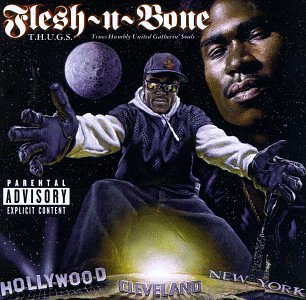
The effectiveness of these lyrics stems from their ability to recontextualize the sacred. By twisting a familiar prayer, the text creates a powerful sense of vulnerability and urgency. It feels like a ritualistic opening for a collective—"Trues Humbly United Gatherin' Souls"—who are not just seeking guidance, but profound redemption from a struggle that touches the very essence of life and death.
 View Artist