Song Meaning
The lyrics of "Sobre O Mar" open with a simple, evocative scene: a fisherman's smile followed by the speaker diving into the ocean's vastness. This immediate immersion sparks a profound desire to find someone, specifically "encontrar você numa canção." It's a search for connection, framed through the lens of art and the natural world.
The narrative quickly expands beyond the immediate dive, as the sun is personified, dancing and plunging into the horizon, and a star "respirou," awakening to a new presence. This celestial activity mirrors an internal shift, as an unnamed voice "cantou e me desejou," calling the speaker from the depths of the sea. There's an undeniable pull, a sense of destiny unfolding.
A poignant moment arrives with the confession, "Eu deixei no mar o meu olhar / De solidão." This line suggests a past state of loneliness explicitly shed and left behind in the ocean's expanse. The sea, therefore, becomes a place of both profound immersion and emotional release, paving the way for a future promise. The repetition of "acordou, acordou" and "me chamou, me chamou" emphasizes this awakening and irresistible summons.
The song culminates in a dual promise: "Quando eu te encontrar eu vou / Te dar / Meu coração," a direct offering of love. But it's the second part that truly elevates the piece: "Sempre que eu lembrar eu vou / Cantar / Esta canção." The act of singing this very song becomes an enduring testament to memory and affection, making the music itself a vessel for the promised connection. It's a beautifully self-referential gesture, weaving the listener into the fabric of the song's meaning.
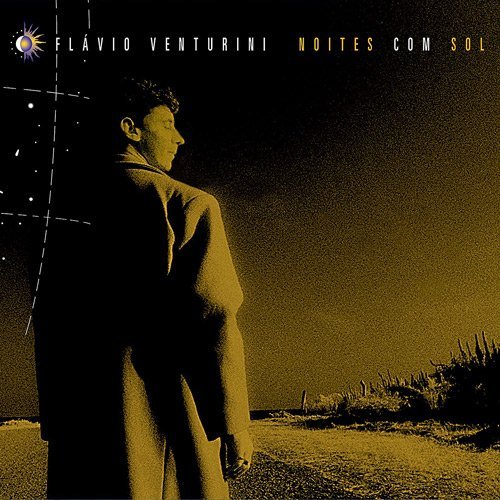
 View Artist