Song Meaning
The lyrics paint a stark picture of irreversible regret and a profound sense of being lost. There's a palpable feeling that a point of no return has been crossed, leaving the narrator adrift. The opening lines immediately establish this finality: "Já não tem como voltar atrás" (There's no way back now) and "Nem acertar o que já foi demais" (Nor fix what was already too much). This sets a somber, resigned tone for the rest of the piece.
The central tension lies in the narrator's acknowledgment of a failed relationship and the personal cost of their actions. The phrase "Fugi, fui deixando você / E me perdendo de mim" (I ran, I kept leaving you / And losing myself) reveals a dual betrayal – of the other person and of the self. This self-estrangement is compounded by the difficulty of facing the consequences, as expressed by "É tão difícil / Enxergar o fim" (It's so hard / To see the end).
The most striking image is that of the narrator as a ship without direction: "Como um barco que procura / Um farol pra se guiar" (Like a boat looking for / A lighthouse to guide it). This metaphor powerfully conveys a state of aimlessness and desperation, especially when paired with the idea of departing "sem lugar / Pra chegar" (without a place / To arrive). The impending departure of the sun, "Daqui há pouco / O sol vai partir" (Soon / The sun will leave), amplifies the feeling of impending darkness and continued isolation.
This writing is effective because it grounds abstract feelings of regret and loss in concrete, relatable imagery. The repetition of the core idea – the inability to go back or fix things – reinforces the inescapable nature of the narrator's predicament. The blend of personal failure and existential drift creates a poignant portrait of someone grappling with the profound consequences of their choices, leaving the listener with a lingering sense of melancholy and empathy for what might have been.
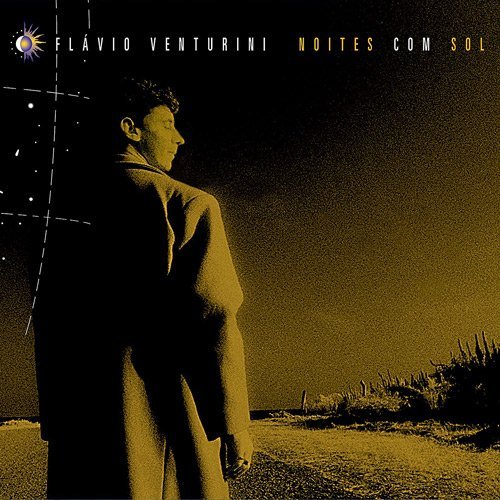
 View Artist