Song Meaning
The lyrics paint a quiet, melancholic scene on a veranda at night, observing nocturnal creatures. There's a palpable sense of stillness and waiting, with the "criaturas da noite" (creatures of the night) making "um vôo calmo e pequeno" (a calm, small flight) in search of light. This gentle movement contrasts with the narrator's own internal stillness and sadness.
The central tension arises from the narrator's identification with these nocturnal beings. Like them, the narrator is a "viajante querendo chegar" (traveler wanting to arrive) before the "raios de sol" (rays of sun), suggesting a desire to escape or reach a destination before the harsh light of day exposes something. The act of watching "os bichos sozinho na noite" (the animals alone at night) is framed as a "distração de quem quer esquecer / O seu próprio destino" (distraction for one who wants to forget / Their own destiny).
The most striking parallel is the shared pursuit of light and the fear of the sun. The creatures seek "luz aonde secar" (light where to dry), while the narrator is "Atrás da luz que não acho" (Behind the light I don't find). Both are travelers, both are waiting, and both seem to be trying to outrun the dawn, implying a deep-seated sadness and a struggle to find direction or solace before the day begins.
This lyrical construction is effective because it uses the external observation of nature to mirror an internal emotional state. The quiet, almost passive existence of the nocturnal creatures becomes a poignant reflection of the narrator's own passive waiting and their struggle with an unfindable light, making the feeling of being lost and melancholic deeply resonant.
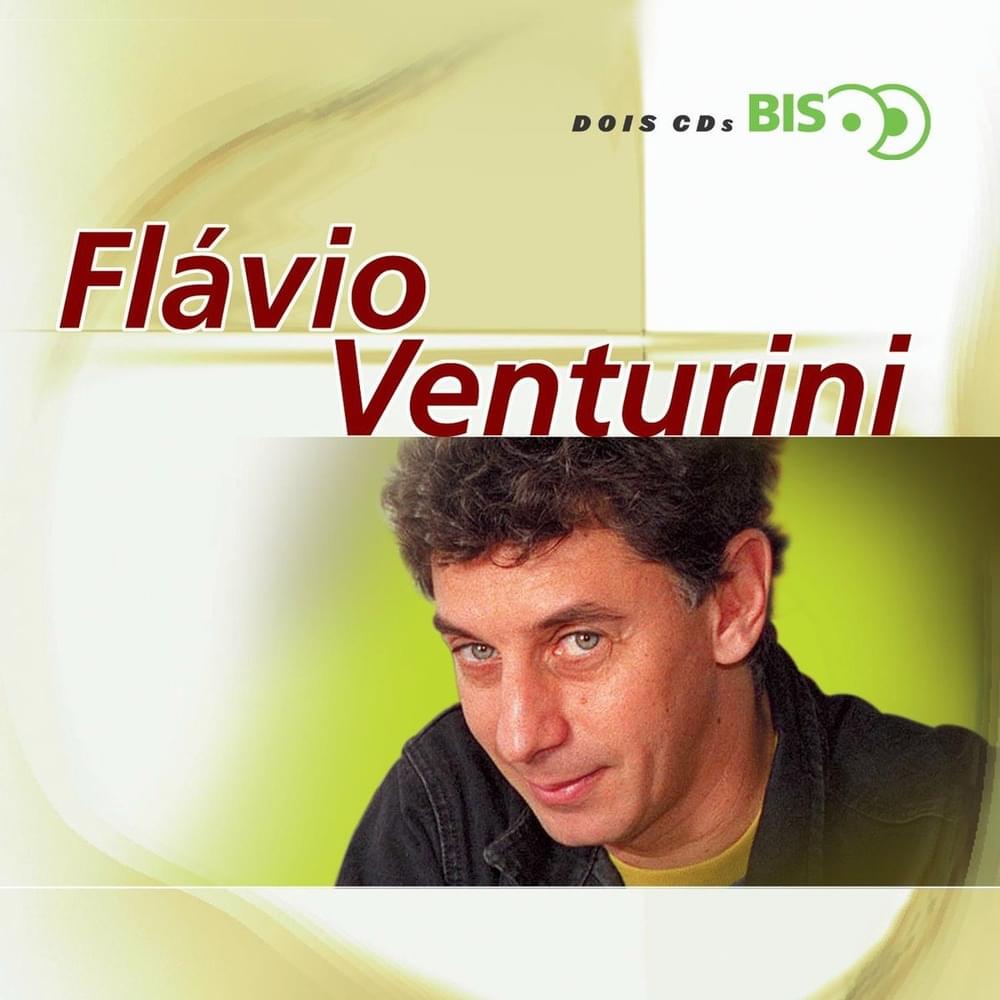
 View Artist