Song Meaning
The lyrics paint a picture of a narrator navigating a world of broken promises and uncertain futures. They start by chasing elusive signs, like rabbit holes near a lake, and encountering a man whose claimed transformation is immediately contradicted by his actions by the river. This sets a tone of disillusionment, where appearances are deceiving and genuine change seems rare. The narrator observes these patterns, hinting at a deeper understanding of human nature's cyclical failures.
The central tension lies in the stark contrast between hope and resignation, particularly around the idea of rain. The narrator acknowledges that rain could bring abundance, making crops grow "twice as big." Yet, the prevailing sentiment is one of survival regardless of the outcome: "If it doesn't rain, we'll live." This isn't a celebration of prosperity, but a grim determination to endure, suggesting that even without ideal conditions, life will persist, albeit perhaps in a diminished form.
A striking image is the narrator's own state, comparing themselves to maple leaves that must change from "autumn green" to gain "value." This suggests a period of stagnation or immaturity that requires transformation to become meaningful. The subsequent lines, "So when my leaves grow dark and old / They'll be kept alive by the stories told," reveal a reliance on external validation or memory to imbue their own existence with worth. This is further emphasized by the phrase "your face is as white as snow," which could imply a loved one's fragility or absence, leaving the narrator to find solace in narrative.
The lyrics' effectiveness stems from this blend of concrete imagery and abstract emotional states. The shift from the natural world of lakes and rain to the man by the river, and then to the internal landscape of aging leaves and stories, creates a compelling arc. The repeated refrain about rain, culminating in the defiant "I won't give a shit / Because there'll be a cityscape where that pasture is," transforms the initial conditional hope into a powerful statement of adaptation. It suggests that even if the natural bounty fails, human ingenuity or development will pave the way for survival, albeit a different kind of existence.
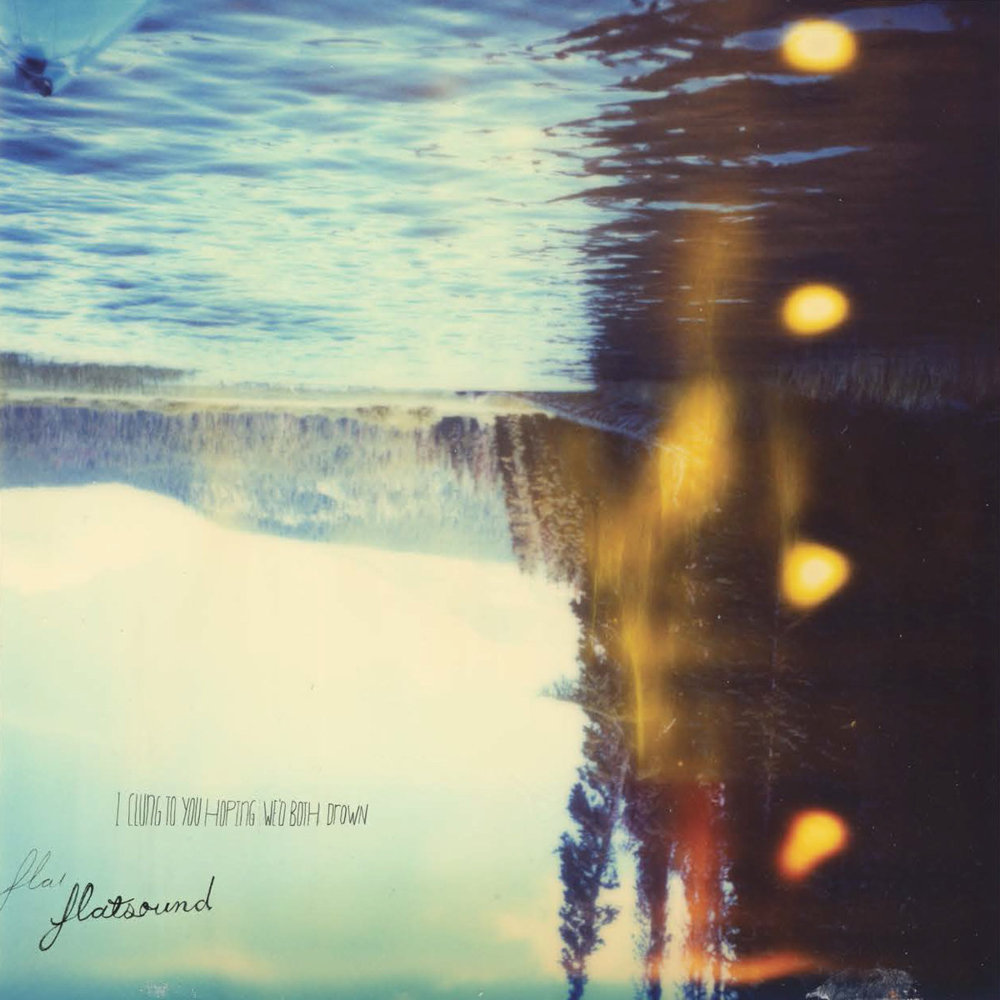
 View Artist