Song Meaning
The lyrics paint a stark, almost surreal picture of a small figure, a "little person," who abruptly leaves their familiar surroundings for a train station. The initial image is one of disorientation and sudden departure, with the figure simply getting up and going. This sets a tone of urgent, unexplained movement, stripping away context and leaving only the raw action.
The core of the song seems to reside in the jarring juxtaposition of imagery. We see "hands in dust, eyes in blood," a visceral, almost violent depiction, contrasted with a celestial "sky in saints." This creates a profound tension between earthly suffering and a distant, perhaps indifferent, divine presence. The final line of this stanza, "You in boots," grounds the scene with a specific, tangible detail that feels both ordinary and out of place amidst the more abstract or intense visuals.
The narrator’s plea, "I don't ask, I don't want, I can't, I'll catch fire," reveals a deep-seated fear of consumption or self-destruction, perhaps tied to the overwhelming nature of the scene or the figure’s journey. This internal struggle is amplified by the description of the "lilac sky" and "different branches," which, despite their apparent dissimilarity, are presented as familiar or even comforting: "but I'm not afraid." This suggests a complex emotional state where danger is acknowledged but not necessarily feared, or where a strange peace is found in the midst of chaos.
The later stanza introduces a dreamlike ascent into this "lilac sky," where "mirages lead like steps." This imagery of illusion and unreality is further cemented by the "bowed heads in prayer for happiness" beneath a "castle of lies." It suggests a collective yearning for solace within a foundation built on falsehoods. The recurring refrain, "hands in dust, eyes in blood, sky in saints, you in boots," acts as an anchor, constantly pulling the listener back to the initial, unsettling blend of the physical, the spiritual, and the mundane, emphasizing the enduring, perhaps inescapable, nature of this disquieting reality.
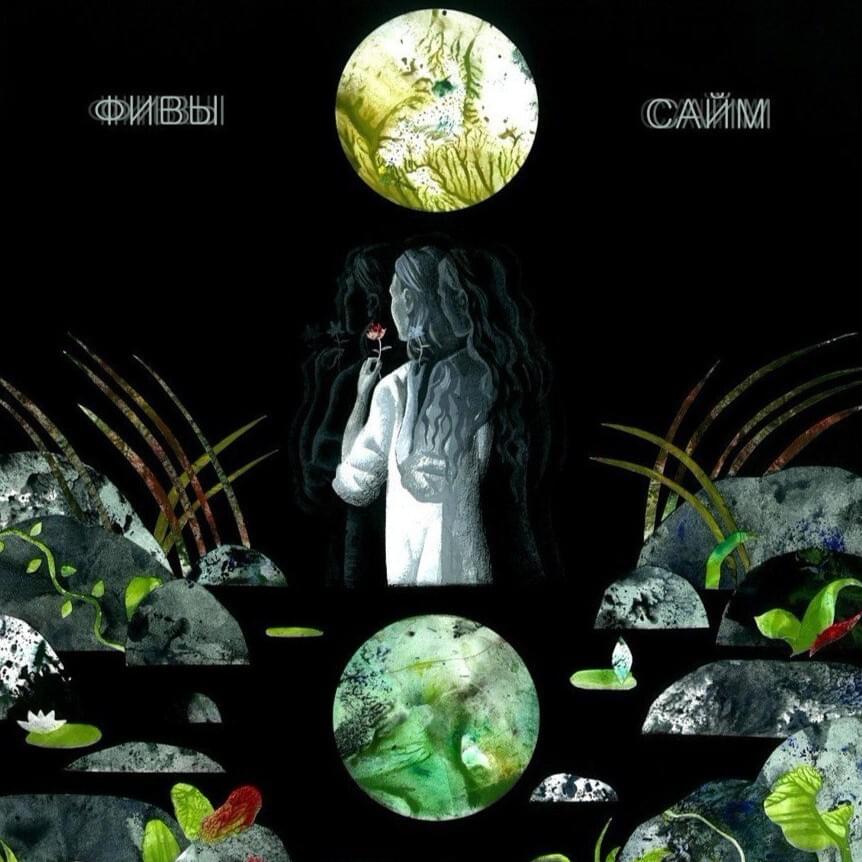
 View Artist