Song Meaning
These lyrics open with a seemingly straightforward declaration of admiration, painting a picture of someone described as the "greatest I've ever known." But that initial glow quickly dissipates. A stark, almost brutal realization cuts through the idealization, revealing a profound distance.
The central tension here hinges on the speaker's shifting perception. What begins as an almost worshipful view, where the subject is seen as "above me," abruptly shatters with the blunt confession, "But you're not even close." This isn't just a change of heart; it's a recognition that the idealized image was fundamentally flawed, built on an illusion of intimacy that never truly existed.
The craft really shines in the line, "I never was aloud to know you." This isn't about a lack of effort from the speaker; it suggests an active denial of access, a gatekeeping of true self. The phrasing implies a permission that was never granted, highlighting a one-sided relationship where genuine connection was always out of reach, despite the speaker's deep admiration.
The emotional punch lands hardest in the final two lines, a poignant paradox: "greatest love I lost / And you're the only one I forgot." This isn't just a breakup; it's a deliberate act of mental erasure, a desperate attempt to cope with a loss so significant it demands to be unremembered. The lyrics suggest the profound pain of losing something that was never truly possessed, leaving a haunting sense of unfulfilled potential and a memory too painful to hold onto.
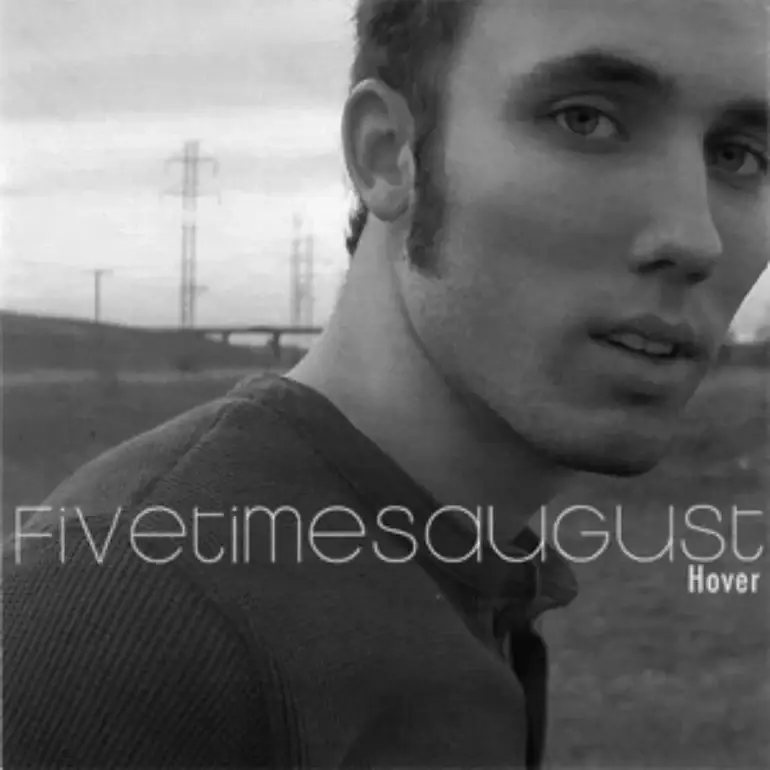
 View Artist