Song Meaning
Walking through a city at dawn, the narrator finds an unexpected beauty in its emptiness. The initial scene is one of quiet observation, where the usual frustrations and anxieties seem to vanish with the rising sun. This stark, silent world then prompts a contemplation on the purpose of music itself, questioning its role in such profound stillness.
The core tension emerges from this contrast: the external quietude versus an internal desire for connection and expression. The narrator longs for their music, their voice, to reach specific people – those who stir their heart and those they await a letter from. This yearning highlights a fundamental human need to communicate and be heard, even when the surrounding environment offers no immediate echo.
The lyrics build towards a powerful, almost desperate plea: "呼んで 呼んで 呼んでよ" (Call me, call me, call me). This repetition, applied to seemingly contradictory descriptors like "新しい人" (new person) and "格好悪い人" (uncool person), then "やさしい人" (kind person) and "みっともない人" (shameful person), suggests an embrace of all facets of self and others. It's a call for authentic connection, accepting imperfections and the unknown.
Ultimately, the effectiveness lies in this raw, unvarnished expression of longing. The shift from observing a beautiful, empty dawn to a fervent call for connection, acknowledging all sides of human experience, creates a deeply resonant emotional arc. The final image of walking to the sea at dawn, again finding 'nothing,' reinforces the idea that true fulfillment comes not from external validation but from the courage to reach out and be seen, flaws and all.
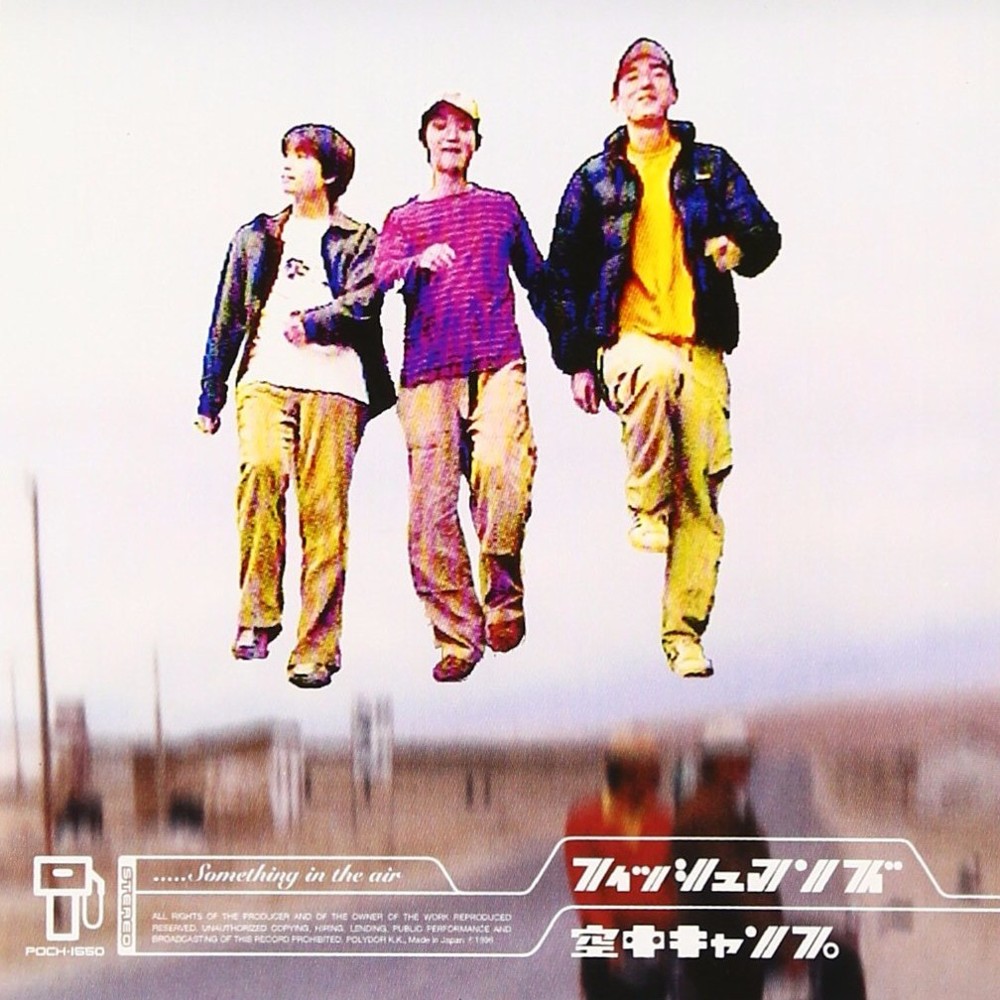
 View Artist