Song Meaning
The lyrics paint a grim picture of a world drowning in fear and disillusionment, questioning the "love of yesteryear." A palpable sense of dread permeates the lines, suggesting a loss of hope and the erosion of dreams. The narrator observes a world where morality is "alleviated" and reality itself seems distorted, forcing a tactile, uncertain perception: "who see must also grope." This sets a tone of profound unease and societal decay.
The central tension arises from the stark contrast between the dire pronouncements about the future and the passive response of the populace. The lyrics invoke "The Grapes of Wrath" as a metaphor for a bleak future, while world leaders are depicted as destructive "necromancers and masochists." Despite the looming threat of a "Thermonuclear Ball," the overwhelming human reaction is one of apathy. This disconnect between impending doom and collective inaction forms the core of the song's critique.
The most striking element is the repeated refrain, "Turn the Other Way." This phrase acts as a powerful indictment of willful ignorance and societal complicity. After detailing a world consumed by fear, political corruption, and the potential for annihilation, the ultimate human response is to simply look away. The lyrics suggest that this act of turning away is not just a personal choice but a pervasive, day-to-day behavior, a collective agreement to ignore the escalating crisis.
This deliberate avoidance is what makes the lyrics so potent. They capture a specific kind of modern despair – not the loud, dramatic kind, but a quiet, insidious resignation. The song effectively uses vivid, unsettling imagery like "ebbing waves of death and fear" and "Thermonuclear Ball" to highlight the severity of the situation, only to underscore the profound tragedy of the response: a collective shrug and a turning of the head. It's a commentary on how easily humanity can become desensitized to its own potential destruction.
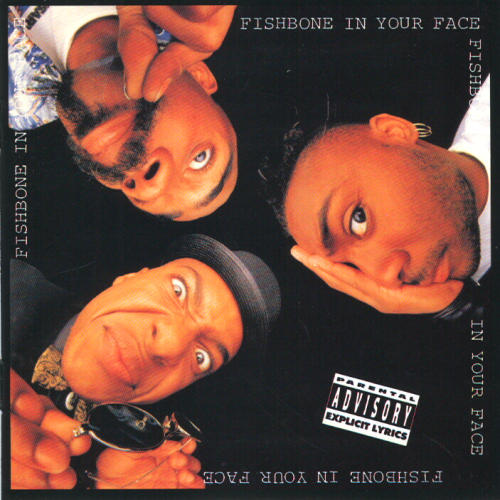
 View Artist