Song Meaning
The lyrics paint a stark picture of someone trapped in a suffocating dynamic, where their own agency is systematically eroded. The opening lines immediately establish a sense of physical and emotional violation, with phrases like "Break me" and "Cut me in two." Yet, beneath this forced vulnerability, a defiant resilience emerges: "But I will get through." This isn't a plea for rescue, but a declaration of self-preservation, even as the narrator acknowledges the wreckage left behind, "Picking up the pieces / That I spread all over you."
The core tension lies in the narrator's forced compliance versus their desperate desire for liberation, encapsulated by the recurring "silent code." This unspoken agreement dictates their actions and identity, leading to a profound weariness: "I'm sick and tired." The imagery of "an endless flood" suggests an overwhelming, inescapable situation, where the narrator feels powerless to change course. They are willing to perform any emotion or adopt any persona demanded, stating, "I can do what you want / I can be who you want me to be," a hollow performance that underscores their lack of authentic self.
The most striking aspect of the craft is the stark contrast between the narrator's outward compliance and their internal plea for freedom. The repeated declarations of what they "can do" and "can be" for another person are juxtaposed with the desperate question, "Won't you set me free?" This highlights the performative nature of their existence, where every action is dictated by this "silent code." The lyrics also employ a powerful sense of resignation, as seen in "It won't make any difference / 'Cause it's not in my control," emphasizing the cyclical nature of their entrapment.
Ultimately, the effectiveness of these lyrics stems from their raw portrayal of emotional subjugation and the flicker of hope for escape. The narrator's willingness to "cry for you" and "smile for you" while internally yearning to "break free" creates a palpable sense of internal conflict. The final lines offer a glimmer of defiance, a promise that this forced existence is not permanent, suggesting that the "silent code" will eventually be shattered by the narrator's own will.
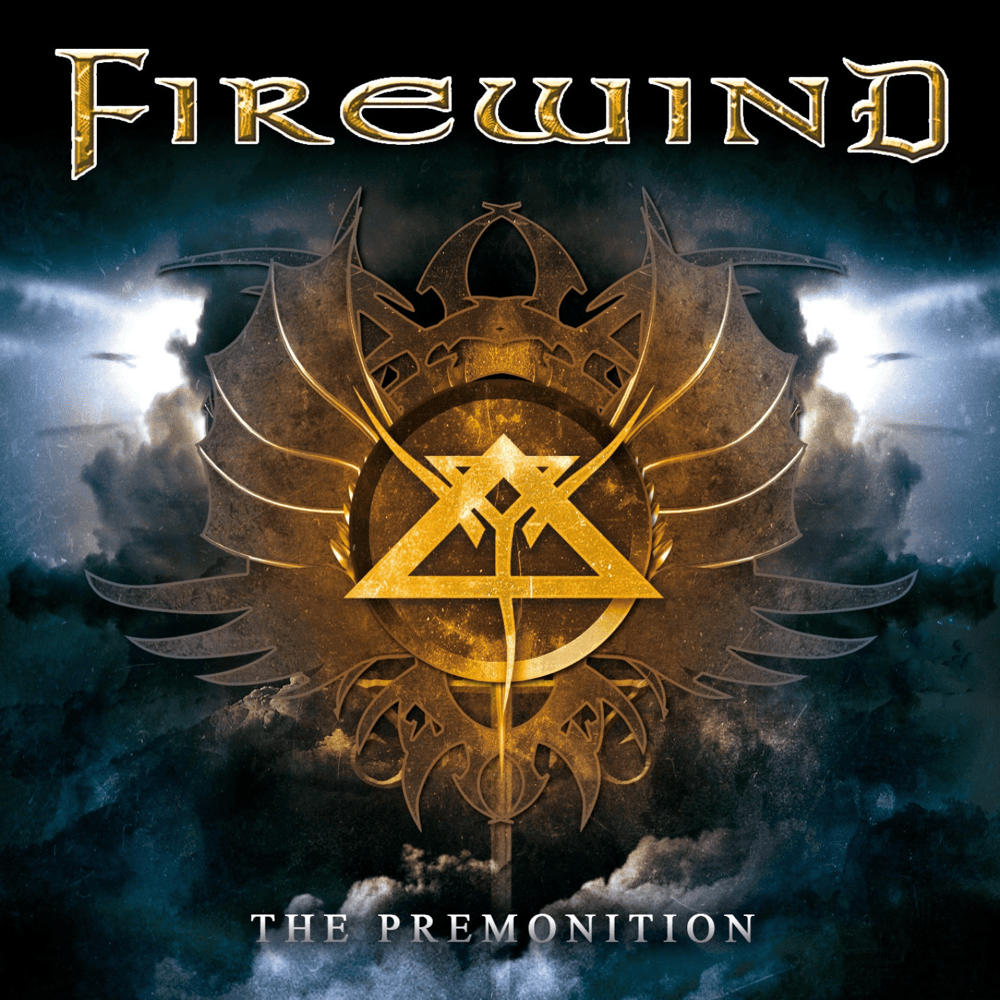
 View Artist