Song Meaning
The lyrics paint a raw, immediate picture of a relationship imploding. The narrator confronts someone, delivering a harsh critique – "I told your face it looked like hell" – which immediately triggers a violent reaction and departure. This sets a tone of bitter conflict, where even a simple wish for a "best of time" devolves into a "screwed up little lie." The narrator seems to acknowledge their own role in the escalation, lamenting that this fight happens "at your birthday," a day meant for celebration, not acrimony.
The central tension lies in the narrator's conflicting desires: to be honest, even brutally so, and yet to wish the other person well. They want to offer a "best of time" but are caught in a cycle of destructive honesty that leads to the other person threatening to "smash me thru / Whatever I said." This suggests a dynamic where genuine connection is impossible, constantly derailed by harsh words and aggressive reactions.
The repeated phrase "I said I'm sad it's at your birthday" acts as a poignant refrain, highlighting the tragic timing of their conflict. It’s not just a fight; it's a fight that ruins a significant occasion, underscoring the narrator's regret and the destructive nature of their interactions. The final lines, "The monstersong is what I sing / When I'm alone," reveal a coping mechanism: a solitary, perhaps self-destructive, expression of pain that emerges in isolation.
What makes these lyrics hit hard is their unflinching portrayal of a relationship's ugliest moments. The direct, almost blunt language, coupled with the specific, unfortunate timing of the conflict, creates a visceral sense of regret and helplessness. The narrator's admission of singing a "monstersong" alone suggests a deep-seated sadness and a private acknowledgment of the damage being done, both to the relationship and to themselves.
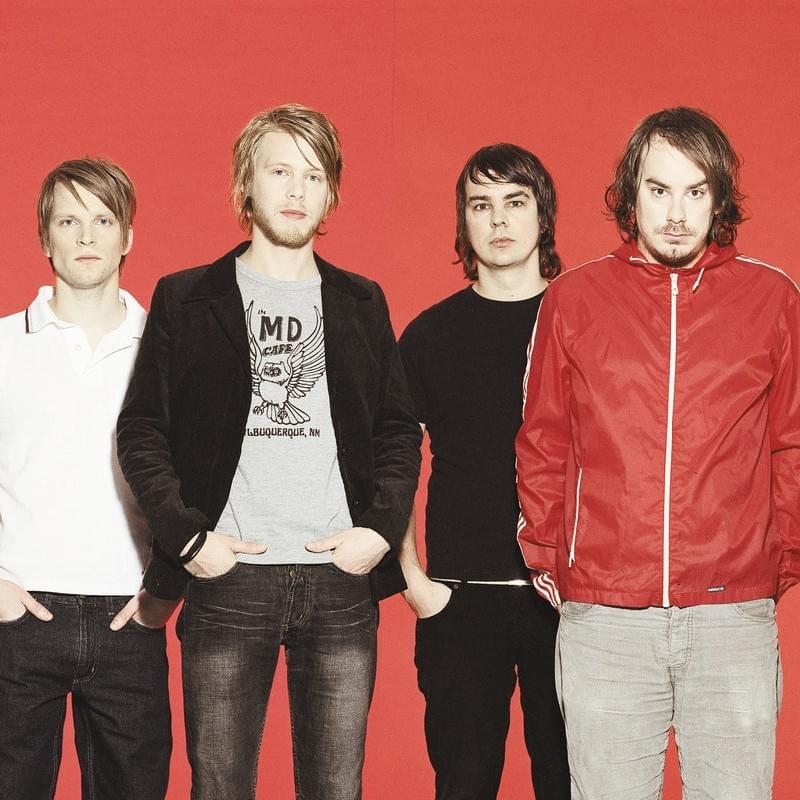
 View Artist