Song Meaning
The narrator is grappling with someone who claims their actions aren't a problem, yet clearly are. This creates a frustrating push-and-pull dynamic, where the narrator desperately seeks understanding and connection. The repeated question, "How can I get close to you," underscores the central tension: the other person's consistent rejection, described as pushing away and turning their back. This refusal to engage makes genuine closeness impossible, leaving the narrator bewildered.
The lyrics highlight a stark contrast between the narrator's perception and the other person's. "It's not a problem" is immediately countered by "Well it's a problem to you," revealing a fundamental disconnect in how they view the situation. The narrator offers a trade – "Give me the answer / And I'll give you the clue" – suggesting a willingness to solve the issue if only the other person would be transparent. Instead, the other person remains elusive, hiding in a "hideout" and only being "part of the new," implying a superficial engagement or a refusal to confront deeper issues.
There's a fascinating moment of self-awareness or accusation when the narrator states, "In so many ways you and me we are just the same." This suggests a shared pattern of avoidance or self-sabotage, a realization that the other person's behavior might mirror their own in some hidden fashion. The phrase "Turning your back at your own side" is particularly striking, painting a picture of someone actively disengaging even from their own potential for growth or connection, a behavior the narrator seems to recognize within themselves or at least within the dynamic they share.
Ultimately, the effectiveness of these lyrics lies in their portrayal of relational deadlock. The narrator's persistent questioning and offers of exchange, met with evasion and denial, create a palpable sense of exasperation. The final lines, hinting at a future "pay" for this behavior, suggest a simmering resentment or a belief that the other person's self-imposed isolation will eventually have consequences, even if the narrator is willing to "turn the other cheek" for now.
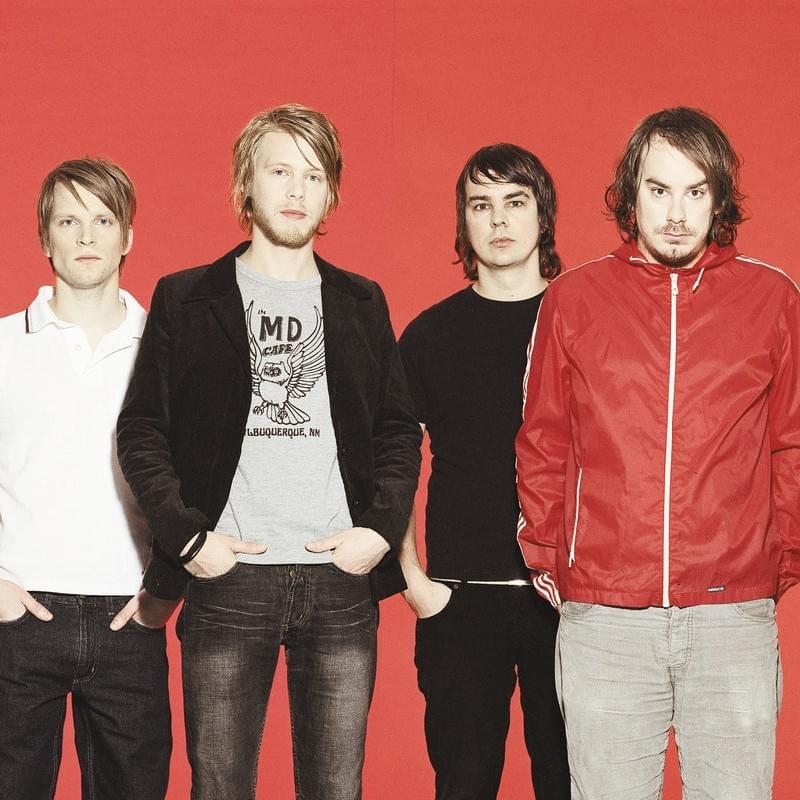
 View Artist