Song Meaning
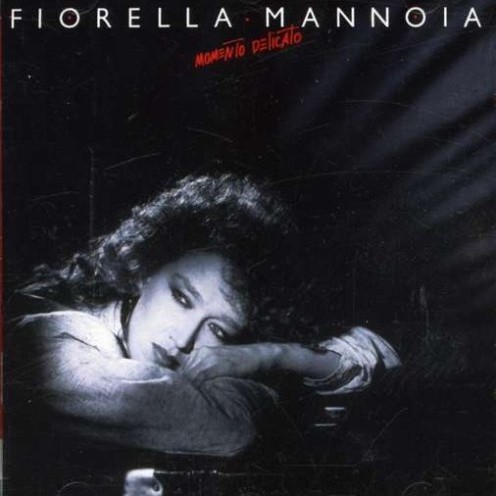
The lyrics paint a stark picture of emotional paralysis and regret. The opening lines, "Vuoto nel cuore / Ma dove sei finita tu" (Empty in the heart / But where did you end up), immediately establish a sense of profound loss and confusion. The narrator feels trapped, describing their life as a "prigione sai / Porte aperte ma non esco mai" (prison, you know / Doors open but I never leave), suggesting a self-imposed confinement despite available escape routes. This internal stasis is amplified by the recurring phrase "É un momento delicato" (It's a delicate moment), which carries a heavy irony given the palpable despair.
The central tension revolves around a broken relationship and the narrator's complicity in its demise. The admission "Ho baciato un altro uomo sai" (I kissed another man, you know) reveals a specific transgression, leading to the realization "Ho capito che così non va" (I understood that it won't work like this). However, the lyrics also question blame, posing the possibility that "O i cattivi siamo stati noi" (Or were we the bad ones). This ambiguity fuels the feeling of being stuck, caught between past actions and an uncertain future where "Qualche cosa è già cambiata / O sciupiamo qualche cosa noi" (Something has already changed / Or will we ruin something ourselves).
The imagery of a "casa è un magazzino abbandonato" (house is an abandoned warehouse) is particularly potent, transforming a shared living space into a desolate, forgotten relic. This metaphor underscores the decay of their connection and the emptiness that has taken root. The recurring "Accidenti a te" (Damn you) directed at a written message on a wall adds a layer of bitter, unresolved anger. The persistent feeling of "É sempre Settembre" (It's always September) with its "luce opaca non scalda più" (opaque light no longer warms) perfectly captures a perpetual state of emotional chill and stagnation, a season of lost warmth and fading hope.
 View Artist