Song Meaning
The lyrics paint a picture of life's inherent unpredictability and the constant, often unsettling, flux of our own identities. Our days get complicated, and what we thought were settled matters never quite add up. We drift toward unfamiliar horizons, a sense of unease lingering as the past, with its familiar faces, recedes and the present self becomes a question mark. The core sentiment is a profound acknowledgment that time is irreversible, leaving us grappling with who we are now compared to who we were.
The central tension arises from this disconnect between past and present selves, amplified by the realization that our desires and possessions are transient. The narrator questions what truly transforms us and highlights the fleeting nature of our current attachments, suggesting that what we value today might be discarded tomorrow. This internal conflict is underscored by the idea of hidden thoughts and feelings, whispered by our conscience but kept secret, leading to a feeling of being changed by forces we can't quite articulate or control.
The most striking craft element is the relentless repetition of "il tempo non torna più" (time never returns). This refrain acts as an anchor, grounding the listener in the inescapable reality of temporal progression. It's juxtaposed with the questioning of identity: "E ieri non c'eri tu, oggi chi sei?" (And yesterday it wasn't you, today who are you?). This direct confrontation with personal change, framed by the unyielding march of time, creates a powerful sense of existential introspection.
This writing is effective because it taps into a universal human experience: the feeling of being outpaced by our own lives and the struggle to reconcile who we were with who we are becoming. The lyrics don't offer easy answers but instead articulate a shared sense of bewilderment and quiet resignation. The simple, direct language, combined with the insistent refrain, makes the complex emotions of change and loss feel immediate and deeply resonant.
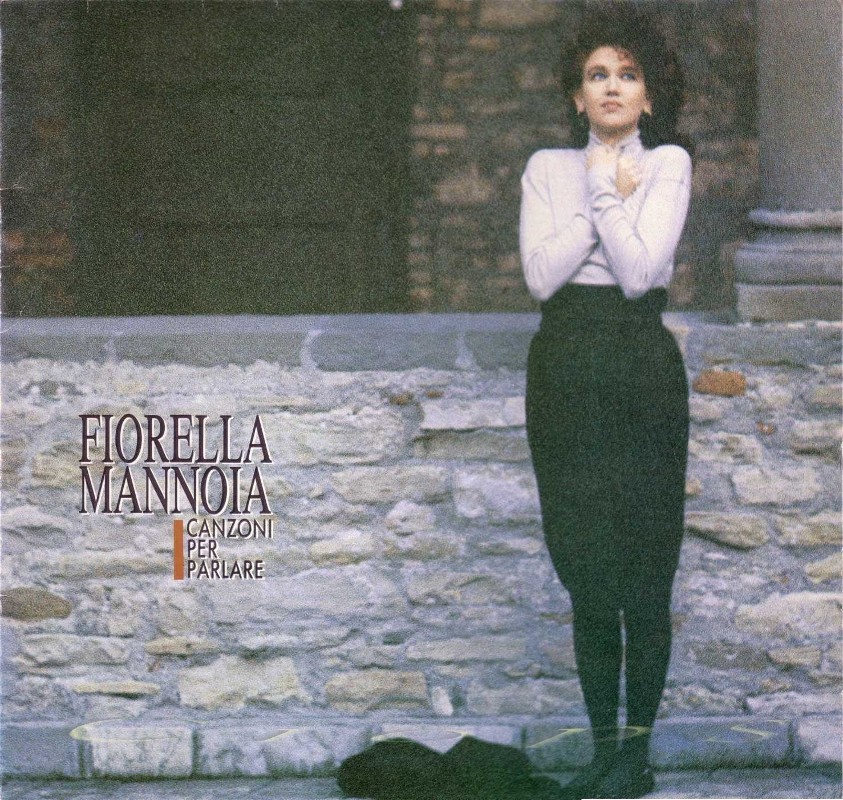
 View Artist