Song Meaning
The narrator reflects on a life lived, acknowledging a vast, internal emotional landscape – "the biggest sea there is." This inner ocean seems to be a source of both experience and a certain untamed spirit. The lyrics suggest a journey through many relationships and moments, marked by a willingness to embrace life without excessive questioning, much like the present moment shared with someone.
The core tension lies between the narrator's past experiences, including perceived mistakes like "some wrong bed," and a present contentment. There's a sense of acceptance, even defiance, in the line "tell me who doesn't do it," framing these past indiscretions as common human failings rather than sources of deep regret. This acceptance is amplified by the repeated, almost mantra-like "I love you man," which, despite its straightforwardness, feels like an affirmation of connection and perhaps a release of past burdens.
The recurring image of the sea is central to the song's emotional architecture. It represents not just the narrator's internal depth but also a powerful, unstoppable force that will eventually envelop the present moment. The idea that "thirty years don't hurt me" and that the narrator feels "just right" with this "night to undress" and the sea that "will then wet us" points to a profound embrace of the present and the future, whatever it may bring. The "unpacked suitcase" and "illusions" are acknowledged, but they don't detract from this feeling of being right where they should be, ready to be swept away by the tide.
Ultimately, the lyrics resonate because they capture a feeling of earned peace and a fearless approach to life's complexities. The blend of past imperfections and present joy, anchored by the powerful, ever-present sea metaphor and the simple, emphatic "I love you man," creates a potent sense of self-acceptance and a surrender to the flow of life. It’s a powerful statement of being present and embracing the vastness within and without.
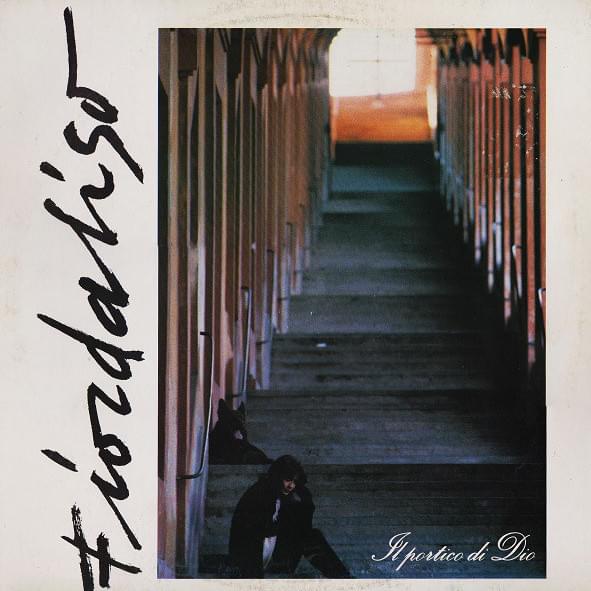
 View Artist