Song Meaning
The lyrics paint a picture of introspection, with the mirror acting as a portal to a reversed reality. This other side holds all the unlived potential and unspoken words, a stark contrast to the present. The narrator seems to be confronting a version of herself that exists in the unspoken and the unfulfilled. It's a space where past regrets and present anxieties reside, all viewed through the distorted lens of self-perception.
The central tension lies in the disconnect between the external appearance and the internal state. The narrator urges the listener to "Guardami bene" (Look at me well), to truly see beyond the surface. Yet, this plea is complicated by the acknowledgment that "Niente è cambiato" (Nothing has changed), suggesting a deep-seated stagnation despite the passage of time. The "abitudine sottoesposta" (underexposed habit) and "istinto un po' trascurato" (somewhat neglected instinct) point to a life lived passively, where genuine feelings have been suppressed.
The recurring motif of the mirror, "Dietro lo specchio" (Behind the mirror), is a powerful device. It represents not just a reflection, but a hidden self, a place where "ruggine" (rust) conceals a "ferita" (wound). This rust, a slow decay, hides a deeper pain and a sealed-off hope, born from "pretesa assurda di un dispetto" (absurd pretense of spite) and lost words. The imagery of "ricordi caldi come il pane / Dentro ai forni" (memories warm like bread / Inside ovens) offers a fleeting warmth, but even these are trapped behind the reflective surface, suggesting comfort found only in recollection rather than present experience.
Ultimately, the effectiveness of these lyrics stems from their raw vulnerability and the precise, almost clinical, dissection of internal conflict. The narrator grapples with the aging process, seeing wrinkles not as beauty but as markers of time and perhaps regret, asking the listener to "Convinci gli occhi / Che le rughe sono belle" (Convince your eyes / That wrinkles are beautiful). This plea highlights a struggle for self-acceptance, a desire to find beauty in the present self even when confronted by the unfulfilled past reflected "dietro lo specchio."
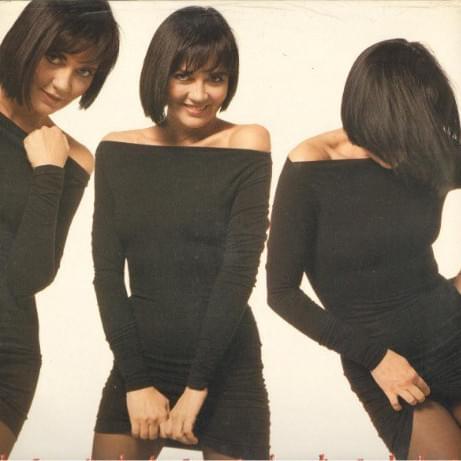
 View Artist