Song Meaning
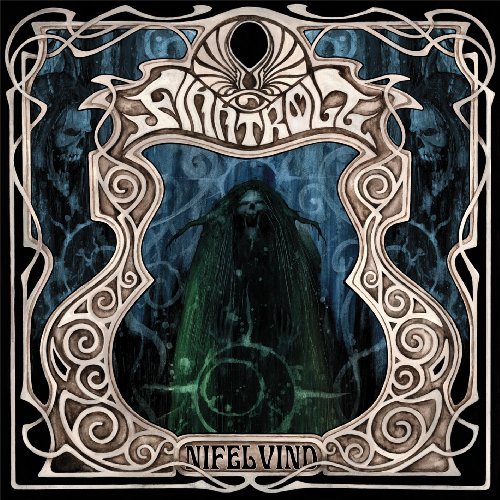
The lyrics paint a stark, elemental picture of transformation and dark power. The opening lines, "När svedjor brännes / Bliva min moderskalk av aska," immediately establish a tone of destruction leading to rebirth, where the speaker's origin is reduced to ash. This sets the stage for a confrontation with primal forces, invoking "Nifelvind" (Niflheim wind, a realm of cold and darkness) and "Gyttjeblod" (mud blood), suggesting a connection to the earth's deepest, perhaps most corrupted, elements.
The core of the lyrical narrative seems to revolve around a deep-seated, recurring despair and barrenness. The repeated imagery of "frostkalla bittra / Onda dödliga natt" and springs where "inget växte / Då säden aldrig steg" speaks to a persistent cycle of failure and death. This isn't just a fleeting sadness; it's an existential blight that has plagued the speaker's existence across seasons and nights, creating a profound sense of hopelessness.
The speaker's invocation of these dark forces, particularly the repeated plea, "Nifelvind, hör mitt namn / Gyttjeblod, sänk ditt huvud där jag vandra," suggests a surrender or a merging with this bleakness. The lines "min vilja blevo din" are particularly striking, indicating a complete abdication of personal agency to these elemental powers. This is further amplified by the imagery of "offerblot" (sacrifice), the gallows, and the betrayal of those who sold their blood, painting a grim tableau of corruption and despair that the speaker seems to embrace or become one with.
Ultimately, the effectiveness of these lyrics lies in their raw, visceral imagery and the relentless descent into a primal, almost mythic despair. The language is sparse but potent, conjuring a world where life struggles to emerge and where the speaker finds a dark kinship with the destructive and barren forces of nature. The narrative arc isn't one of overcoming, but of becoming one with the desolation, a powerful and unsettling conclusion.
 View Artist