Song Meaning
The lyrics paint a picture of a person grappling with a profound, almost overwhelming change, possibly a relationship or a significant life event. There's an initial plea for things to return to normal, a quiet, patient waiting for a resolution that may never come. This sense of passive endurance is immediately contrasted with a repeated, almost ritualistic declaration: "I drank the water now." This phrase feels like an acceptance of a new reality, a point of no return after a transformative experience, whether voluntary or imposed.
The core tension lies in the narrator's vulnerability against an external force that is actively reshaping their world. The lyrics state, "It moves / In your way / I bruise easily," suggesting a dynamic where the narrator is susceptible to the actions or presence of another. This is further emphasized in the bridge, where "your colors reform / Changing everything you know" and "Lines erase who we are." The narrator seems to be losing their own definition as the other person's influence takes hold, creating a palpable sense of being diminished or altered.
The most striking element is the recurring, almost hypnotic phrase "I drank the water now." Its repetition, especially building to a triple iteration at the end, suggests a deep, irreversible shift. The imagery of drinking water, often associated with life, sustenance, or purification, here feels like a surrender to a new state of being. The bridge's lines, "Stay your shape / Move me / Lines erase who we are," highlight the paradox: the narrator is being moved and reshaped by external "lines" and "colors," yet the act of "drinking the water" is presented as a personal, albeit passive, action.
This piece resonates because it captures the disorienting feeling of losing oneself within another's influence or a life-altering event. The simple, declarative language of the chorus, juxtaposed with the more abstract and vulnerable verses, creates a powerful emotional arc. It’s the quiet dread of being changed, the passive acceptance of that change, and the lingering question of what remains of the self when "lines erase who we are."
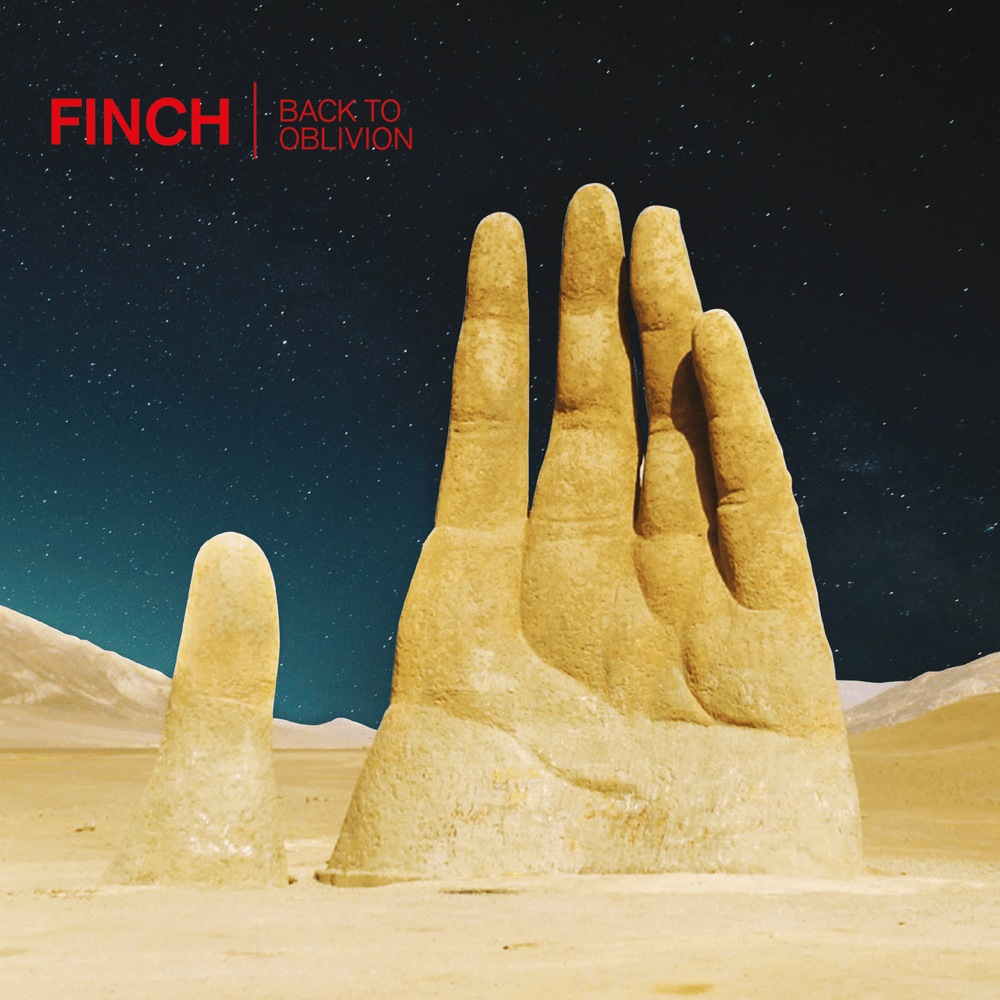
 View Artist