Song Meaning
The lyrics paint a picture of a relationship teetering on the edge, caught between a desperate desire for connection and the painful reality of separation. The narrator grapples with the other person's intentions, questioning "Cosa pensi di me" and "Dove credi di andare." There's a palpable tension between wanting to be held close, to "mi fai respirare," and the possibility of being set free, "mi lasci libero." This push and pull creates an immediate emotional unease.
The central conflict arises from the lingering, unresolved feelings that prevent a clean break. Despite a decision "a non vedersi più," the act of the other person calling, "E poi mi chiami e metti giù," is what truly inflicts pain. This repeated action, especially when it's followed by a hang-up, suggests a pattern of emotional manipulation or indecision that causes significant hurt, making the narrator feel "un po' giù."
The most striking aspect of the writing is the stark contrast between past declarations and present actions. The memory of "Ci metto tutto l'amore mio / Così dicesti di te di me di noi" clashes violently with the current reality of "Ci si fa male anche di più / Se poi mi chiami ancora tu." This juxtaposition highlights the betrayal of past promises and amplifies the sting of the present situation, where even a brief, unanswered call can be devastating.
Ultimately, the effectiveness of these lyrics lies in their raw portrayal of emotional vulnerability and the quiet devastation of unresolved connection. The narrator’s internal monologue, filled with questions and observations of the other’s flawed "mosse," captures the agonizing experience of being strung along. The simple, repeated act of a call and hang-up becomes a potent metaphor for the emotional damage inflicted by someone who can't commit to either staying or leaving.
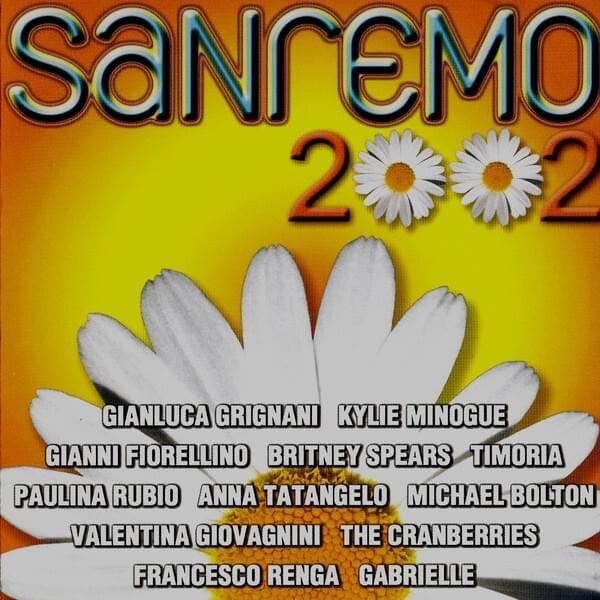
 View Artist