Song Meaning
The lyrics paint a picture of a person grappling with intense fear and a sense of depletion, especially as summer arrives and a metaphorical 'river' runs dry. This internal drought coincides with a loss of spirit, a feeling that becomes acute at dusk. The narrator admits that seeking attention stems from a primal, almost animalistic desire, a raw need that surfaces when vulnerable.
The core tension lies in the stark contrast between a desire for authentic, meaningful existence and the pain of living a life that feels fundamentally flawed or empty. The repeated plea, "Antes queria não viver / Do que andar a viver mal" (I'd rather not live / Than live badly), underscores this desperate yearning for a life with genuine substance, a "vida com mais sal" (life with more salt).
A striking image emerges from the mention of past letters, framed as "memória da guerra" (memory of war). This suggests past promises or declarations, now seen as mere "cultivo da terra" (cultivation of the earth) – something that once grew but has since withered. The narrator receives gifts like "dão e erva mate" (a gift and yerba mate), but even these offerings are tinged with envy, implying that true contentment or joy is elusive, and if it can't be experienced with genuine happiness, it's better left unexperienced.
Ultimately, the effectiveness of these lyrics comes from their raw, unvarnished portrayal of emotional struggle. The juxtaposition of primal need with a philosophical stance on the quality of life, combined with evocative imagery of drought and war, creates a powerful sense of yearning. The narrator isn't just sad; they are actively rejecting a life devoid of true flavor and meaning, demanding something more vital and real.
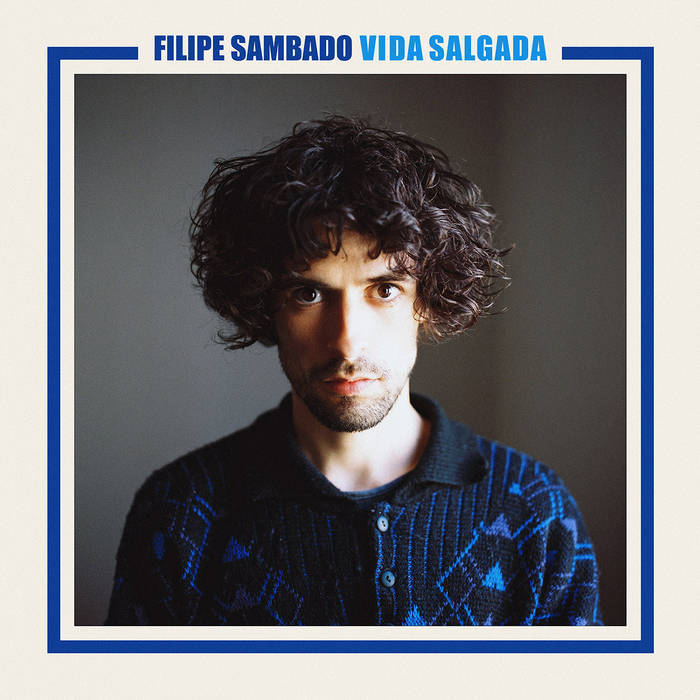
 View Artist