Song Meaning
The lyrics paint a picture of weary resignation, a figure poised at a crossroads, seemingly stuck. The opening lines, "Olhar cansado" (tired look) and "Botas por secar" (boots to dry), establish a sense of stagnation and unfinished business. There's a clear contrast between the narrator's passive waiting ("E eu só espero sentado" - And I just wait sitting) and the implied activity of others ("Amigos a ensaiar" - Friends rehearsing), highlighting a personal inertia.
The central tension lies in the repeated refrain: "Eu já não vou sair daqui a bem / A mal já eu cheguei" (I'm not leaving here nicely anymore / I've already arrived badly). This suggests a point of no return, where the narrator has endured enough or reached a negative state, implying that any departure or resolution will now be fraught with difficulty or negativity. The phrase "a mal já eu cheguei" is particularly striking, indicating a descent into a less desirable state from which escape is no longer graceful.
The imagery shifts from personal weariness to a more externalized sense of destiny and shared experience. "O trilho está marcado" (The path is marked) and "Fomos muito a pisar" (We've trodden a lot) evoke a sense of a predetermined or heavily traveled road, suggesting that the narrator's current situation is not entirely unique but part of a collective journey. The idea of "tanto por cantar" (so much to sing) contrasts with the earlier stillness, hinting at unexpressed potential or a backlog of experiences that demand attention, even as the narrator feels trapped.
Ultimately, the effectiveness of these lyrics stems from their raw portrayal of being stuck and the emotional weight of that realization. The repetition of the core phrase hammers home the feeling of being trapped in a negative state, while the subtle shifts in imagery from personal fatigue to a marked path create a complex emotional landscape. It captures that difficult moment when passive waiting turns into a defiant, albeit weary, acceptance of a less-than-ideal arrival point.
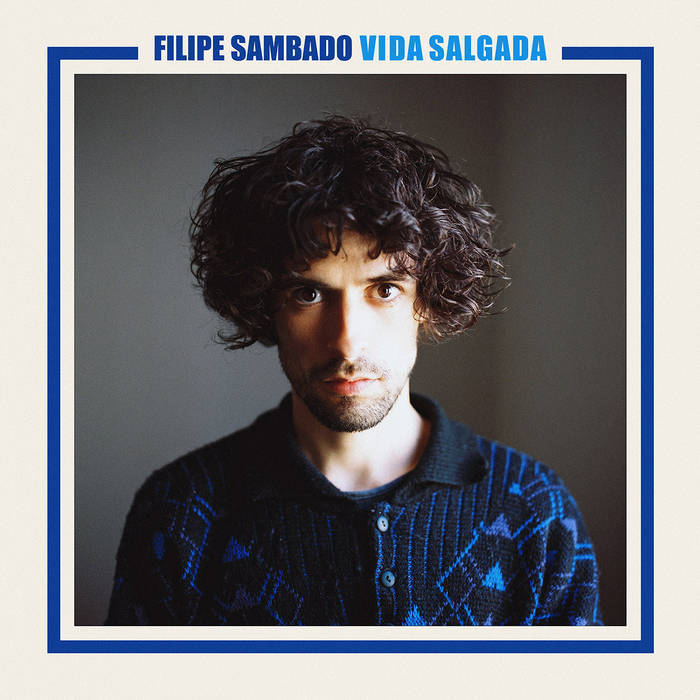
 View Artist