Song Meaning
The narrator is facing an imminent, unavoidable separation, possibly a death or a permanent departure, from someone they care about. The opening lines paint a stark picture: "Here we are again and I watch you end." This isn't a casual goodbye; it's a recurring, painful observation of decline. The narrator expresses a desire to be a better friend but acknowledges an external force compelling them away: "I've got to go away / I won't be back for twenty days." This absence is framed by a grim premonition that the other person won't survive it, creating a desperate, fleeting moment.
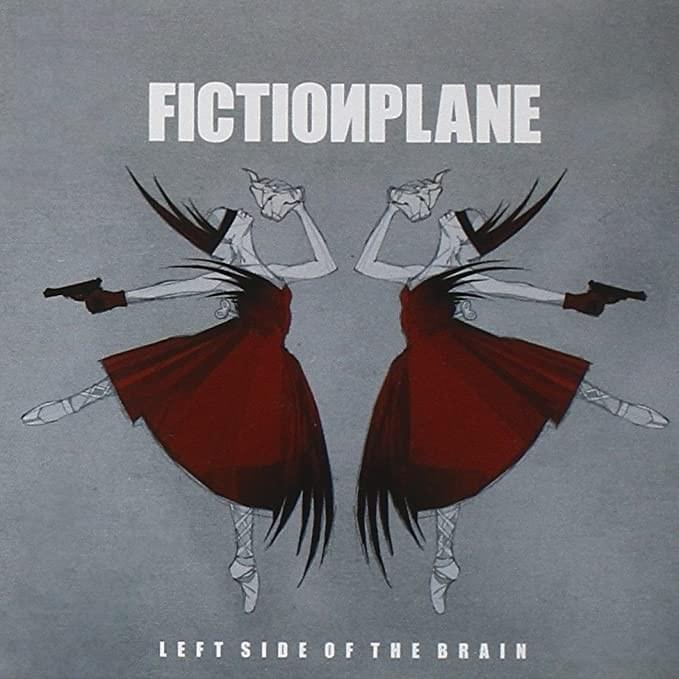
The core tension lies in the narrator's wish to escape the harsh reality by retreating into a shared, idealized mental space. The plea, "Can I just stay another day and live / Live the dream out on the left side of your brain," suggests a desire to exist within a memory or a fantasy, a place where the present crisis doesn't exist. This imagined sanctuary offers a temporary reprieve, a way to "live" even as the external world signals an end. The mention of "borrowed time since the end of the war" hints at a history of trauma or survival that has heightened the narrator's awareness of mortality and the preciousness of each moment.
The most striking aspect is the repeated invocation of the "left side of your brain." This isn't just a metaphor for memory or thought; it's presented as a tangible place where the narrator wants to "live the dream." It’s a deeply intimate, almost desperate attempt to preserve a connection, to hold onto something vital when physical presence is impossible. The shift in the final lines, from the detached observation of the beginning to the raw, immediate pleas of "Turn around / Don't leave me / Hold me close / I'm breathing," signifies a breakdown of composure. The narrator abandons the abstract refuge of the "left side of your brain" for a visceral, present-moment plea, highlighting the overwhelming power of loss.
These lyrics resonate because they capture the agonizing helplessness of watching someone fade away while being forced to leave. The contrast between the narrator's forced departure and the other person's apparent decline creates a profound sense of tragedy. The imagined escape into the "left side of your brain" is a poignant, albeit futile, attempt to cheat fate, making the final, desperate pleas for connection all the more heartbreaking.
 View Artist