Song Meaning
The narrator opens with a powerful declaration of past faith, referencing biblical miracles like the parting of the Red Sea and moving mountains. This sets a high bar for their current spiritual state. However, the present is described as overwhelmingly dark, marked by a profound inability to feel a divine presence. This stark contrast between past certainty and present doubt forms the core tension, suggesting a crisis of faith where even monumental past experiences offer little solace now.
The central conflict is the struggle to maintain worship and trust when divine communication ceases. The narrator explicitly states, "If You chose to be silent I'll be silent too," indicating a deliberate choice to mirror the perceived divine quietude. Yet, this silence is not met with abandonment but with a commitment to "worship in the waiting," a profound act of devotion in the absence of immediate reassurance. This is further emphasized by the resolve to "not grow bitter," even as the current experience feels like a harsh, prolonged "winter."
The lyrics masterfully employ contrasting imagery to articulate this internal battle. The vibrant "blooms of spring" and "new life" from the past are juxtaposed with the current "grey" and fading colors, highlighting the depth of the present spiritual desolation. The recurring phrase "in the waiting" acts as an anchor, a mantra that grounds the narrator's hope despite the overwhelming sense of cold and darkness. This repetition underscores the active, chosen nature of their faith, even when it feels like a barren landscape.
Ultimately, the effectiveness of these lyrics lies in their honest portrayal of spiritual endurance. The narrator isn't claiming unwavering faith, but rather a determined, almost stubborn, commitment to belief even when the tangible signs are gone. The anticipation of future renewal, "with the spring will come the rain," and the certainty that the divine "see[s] the end of it all," provides a quiet strength. This nuanced depiction of faith as an active choice, rather than a passive feeling, resonates deeply, making the act of "worship in the waiting" a powerful testament to resilience.
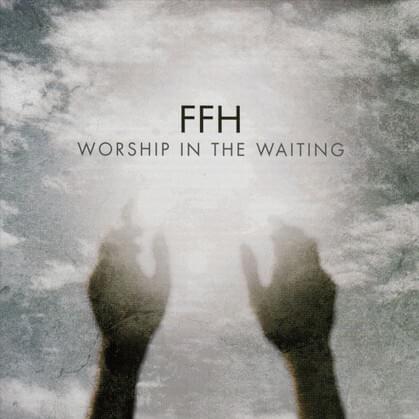
 View Artist