Song Meaning
The lyrics paint a picture of childhood dreams and adult disillusionment, framed by a persistent, almost passive, waiting. The narrator initially conjures idyllic, if slightly surreal, visions of the future: becoming a forester who runs through moss in high heels, or living by the sea with crab claws and rum. These early desires feel like whimsical escapes, tinged with a childlike expectation that things will simply return or be given, like a boomerang or an embraced seashell. It’s a world where grand gestures are met with passive reception.
The core tension emerges as these fantastical wishes clash with a more grounded, yet still yearning, reality. The narrator’s focus shifts to relationships, specifically a longing for love or validation from a specific 'you.' The act of caring for plants, keeping soil moist, and resting on the seventh day suggests a diligent effort, but this is immediately followed by a call for that same 'you,' highlighting that even diligent work is in service of this external connection. The imagery of a 'funny man' with 'dog eyes' and a 'hanging tongue' might represent an idealized or perhaps pathetic figure the narrator is drawn to, someone who also seems to be waiting for love.
A striking element is the recurring motif of waiting, often for an external force to act or respond. The boomerang comes back, the seashell embraces, the moment arises, and the figure in the ceiling is expected to catch the narrator. This passive stance is mirrored in the description of another person, who has 'cucumbers on your eyes' and spends 'too much time on nothing,' also seemingly caught in a state of waiting. The repeated plea in the outro, "Waiting for you to embrace me," crystallies this central theme of longing and the hope for reciprocation, which feels both deeply personal and universally understood.
Ultimately, these lyrics resonate because they capture the vulnerability of wanting to be seen and embraced, while also acknowledging the sometimes absurd or lonely nature of that pursuit. The contrast between the fantastical childhood aspirations and the more complex, relationship-focused adult desires creates a poignant narrative. The writing effectively uses simple, evocative imagery to convey a deep emotional state, leaving the listener with the lingering feeling of anticipation and the quiet ache of unmet connection.
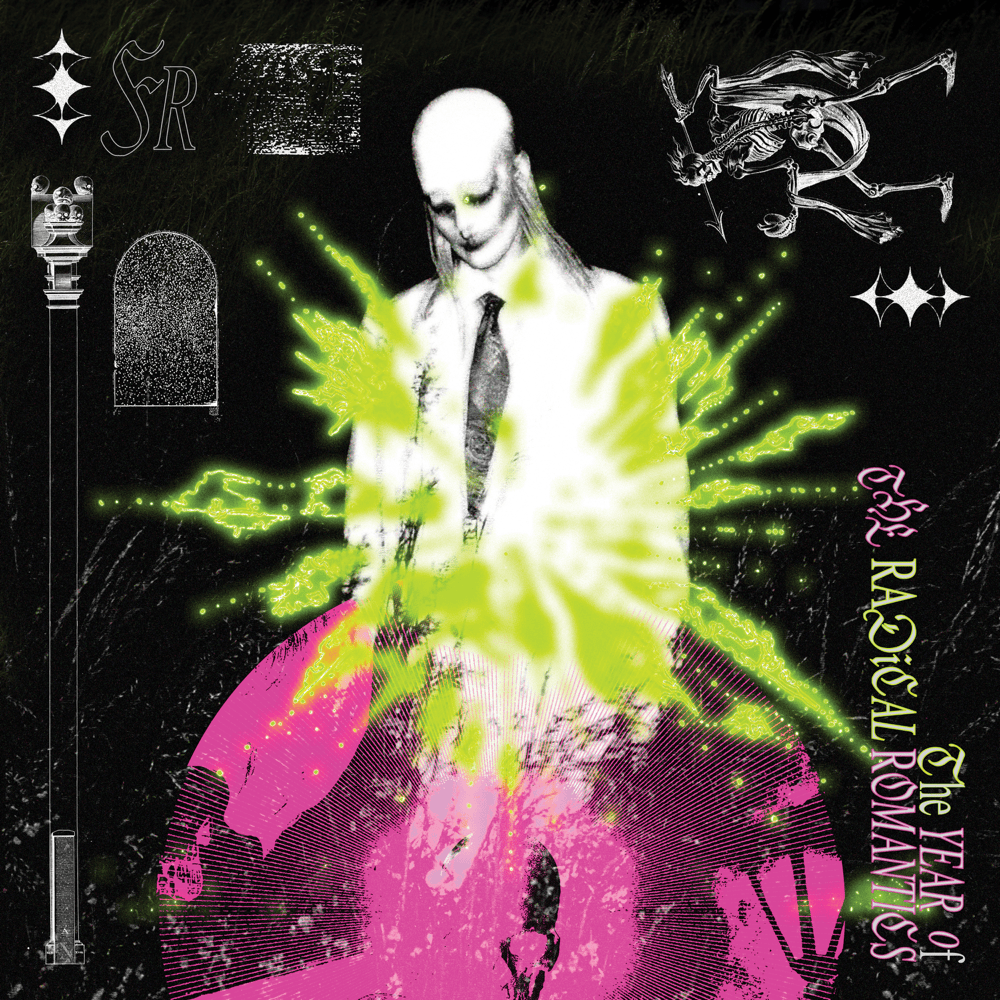
 View Artist