Song Meaning
The lyrics paint a picture of childhood dreams juxtaposed with a more complex, perhaps adult, reality. The initial aspirations of being a forester and living by the sea are whimsical, almost surreal, with images like "run through the moss on high heels" and "crab claws and bottles of rum." These desires seem to stem from a place of wanting simple, tangible returns – a boomerang coming back, a seashell embracing the narrator – suggesting a yearning for validation and connection that feels almost childlike in its directness.
The central tension emerges as the narrator shifts from these idealized future selves to a present state of emotional labor and unfulfilled longing. The act of "put[ting] my soul into what I do" and caring for plants while friends are away hints at a nurturing role, but the immediate pivot to "call for you" reveals a deeper dependency. This is amplified by the critique of someone else's "sad look" and "wants to be loved by you," suggesting a frustration with others' emotional unavailability or perhaps a projection of the narrator's own unmet needs.
The most striking craft element is the recurring motif of waiting, paired with increasingly abstract and unsettling imagery. The narrator waits for external things to "embrace me," but the final verses introduce a more disturbing figure: "the face in the ceiling / And arms too long." This figure, which the narrator waits for to "catch me," feels like a manifestation of anxiety or a distorted desire for rescue, a far cry from the simple boomerangs and seashells of earlier dreams. The "cucumbers on your eyes" detail, implying a superficial attempt at self-care or perhaps a literal depiction of someone exhausted and detached, further underscores a sense of stagnation and unresponsiveness.
Ultimately, these lyrics resonate because they capture the disjunction between innocent hopes and the often-disappointing complexities of adult relationships and self-perception. The writing effectively uses surreal imagery and the persistent theme of waiting to convey a profound sense of yearning, a feeling of being stuck between idealized futures and a present that demands emotional investment without clear reciprocation. The shift from concrete childhood fantasies to the ambiguous, almost menacing imagery of the ceiling face suggests a deep-seated anxiety about connection and the elusive nature of fulfillment.
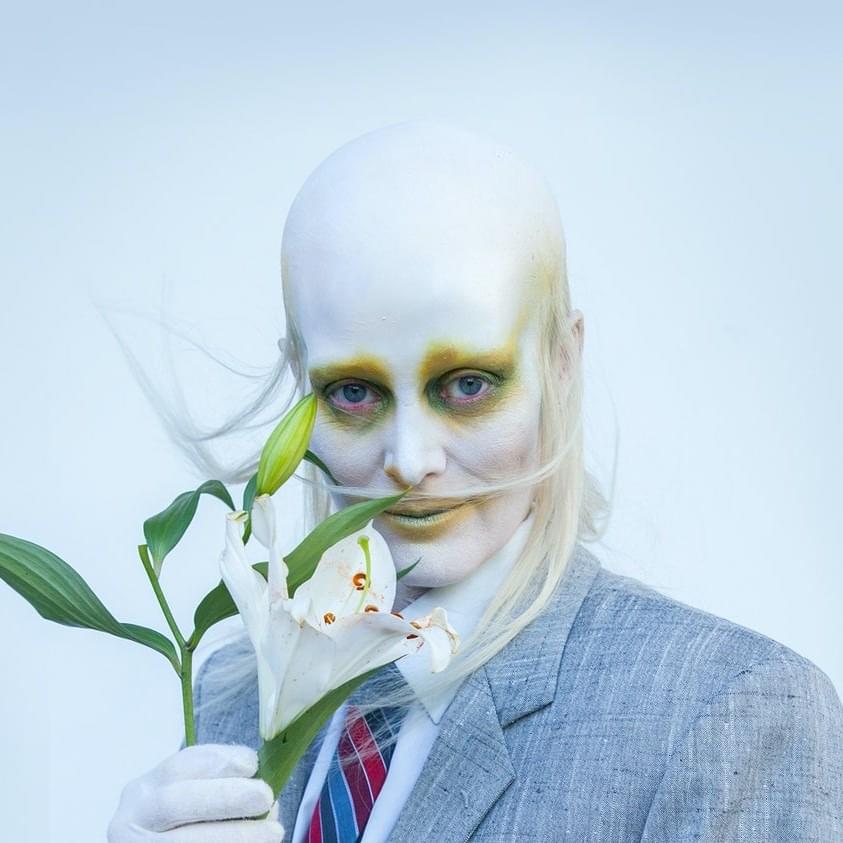
 View Artist