Song Meaning
The lyrics paint a picture of a love that's both intensely desired and deeply frustrating. The opening lines, "Blood was our favourite paint / You were my favourite pain," immediately establish a tone of passionate, almost destructive connection. This isn't a gentle romance; it's something raw and perhaps even self-inflicted. The narrator is caught in a cycle of anticipation, comparing the wait for love to a drug that fails to deliver its promised high, highlighting a persistent sense of unfulfillment.
The central tension lies in this push-and-pull between intense feeling and emotional stagnation. The imagery of "red trails" suggests a history of passionate, possibly messy, experiences left behind. Yet, the narrator clings to moments like "Touching in the snow one day / Laying low and kissing," juxtaposing the coldness of the setting with the heat of their connection, described as "Setting the snow on fire." This contrast underscores the volatile nature of their relationship, where moments of intense intimacy are fleeting against a backdrop of ongoing disappointment.
The craft here is in the stark, almost brutal, metaphors and the cyclical structure. The repetition of "Blood was our favourite paint / You were my favourite pain" acts as an anchor, reinforcing the core dynamic of the relationship. The phrase "waiting for a drug that never kicks in" is a powerful, modern image for addiction and addiction-like longing, emphasizing the futility and desperation of the narrator's emotional state. The lyrics suggest a love that is simultaneously a source of profound pain and the only thing the narrator truly craves, creating a disorienting but compelling emotional landscape.
Ultimately, these lyrics resonate because they capture the agonizing experience of loving someone who is both your greatest solace and your deepest source of frustration. The vivid, often contradictory, imagery – snow set ablaze, favorite paint being blood – speaks to the intensity of these feelings. The narrator’s struggle, framed by the repeated assertion of pain as a favorite, reveals a complex emotional dependency that is both captivating and heartbreaking.
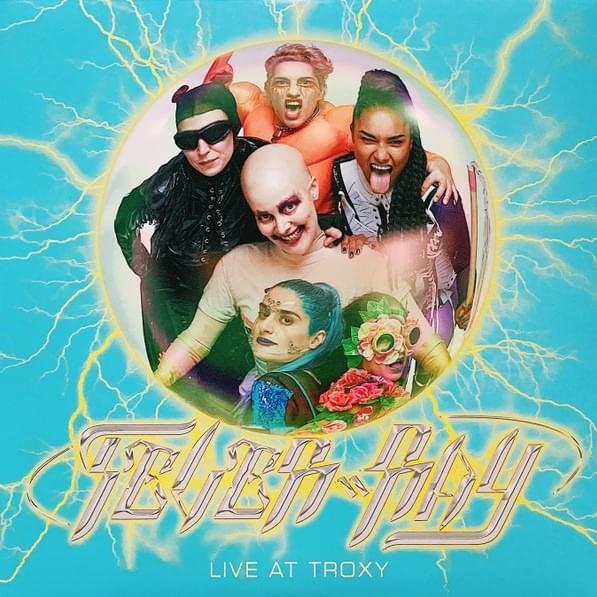
 View Artist