Song Meaning
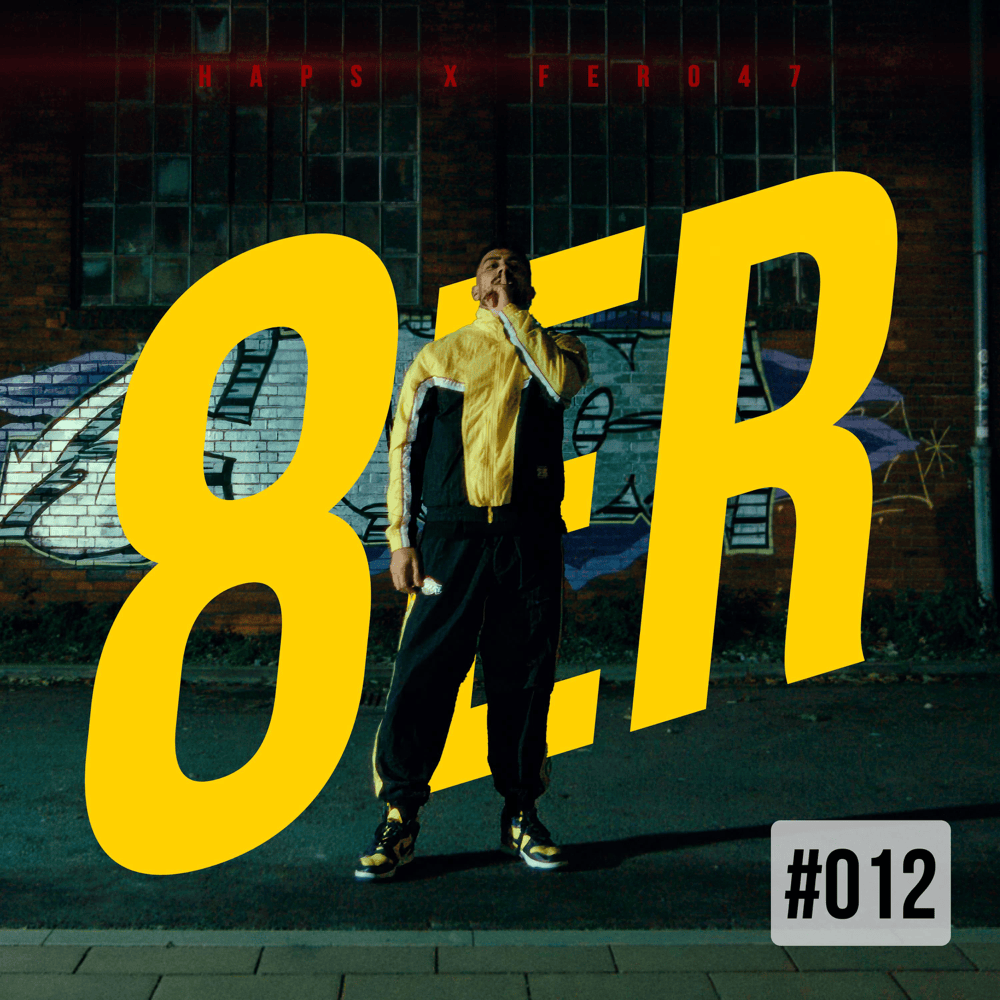
The lyrics paint a stark picture of confinement, repeatedly referencing "Haps," a slang term for prison. The opening hook immediately establishes a sense of being watched and controlled, with the line "Alles wird gut überwacht, [?] doch der Wärter lacht" suggesting a cynical amusement from those in power. This creates an immediate tension between the surveillance and the prisoner's internal state.
The dominant emotional tone is one of restless dissatisfaction and a feeling of being trapped, even as the narrator claims "ich werd' nicht satt." This isn't about hunger for food, but perhaps a desperate, unfulfilled drive or ambition that cannot be satisfied within the confines of the prison. The phrase "Tagein, tagaus im Knast" (Day in, day out in jail) reinforces the monotonous, inescapable reality of their situation.
A key element of the craft is the juxtaposition of the external environment with the narrator's internal state. While the "Wärter lacht" (guard laughs) and the "Zellentrakt" (cell block) represent the oppressive, sterile reality, the narrator's persistent "doch ich schwör', ich werd' nicht satt" signifies an unyielding, perhaps defiant, inner spirit. The repetition of "Haps" acts as a constant reminder of the physical and psychological space they inhabit.
This lyrical approach is effective because it grounds the abstract feeling of imprisonment in concrete, albeit limited, imagery. The contrast between the external control and the internal, unquenchable drive creates a compelling, albeit bleak, narrative. The lyrics suggest a struggle to maintain a sense of self and purpose within a system designed to strip both away.
 View Artist