Song Meaning
The lyrics paint a picture of divine reassurance and a future of peace for Jerusalem. The opening Hebrew phrases, including "She'alu shlom, Yerushalayim" (Seek the peace of Jerusalem), set a tone of prayer and longing. This is immediately followed by a powerful declaration in Portuguese: "Te digo: nunca mais te chamarão desamparada" (I tell you: never again will they call you desolate). This promise directly addresses Jerusalem, transforming its identity from one of abandonment to one of cherished belonging.
The central tension lies in the contrast between Jerusalem's past or perceived desolation and its promised future. The narrator, speaking with divine authority, bestows new names upon the city: "Hefzibá, Beulá, Noiva Amada" (My Delight, My Married One, Beloved Bride). These names, deeply rooted in biblical imagery, signify a profound restoration of relationship and favor. The comparison to a young man marrying his passionate maiden underscores the intensity of this divine joy and commitment.
The most striking craft element is the direct address and the bestowal of these powerful, redemptive names. The repetition of "Orai, orai, orai, orai pela paz em Jerusalém" (Pray, pray, pray, pray for peace in Jerusalem) in the bridge emphasizes the ongoing call to action and intercession. This call to prayer is juxtaposed with the prophetic assurance of the chorus, creating a dynamic between human supplication and divine decree.
Ultimately, the lyrics are effective because they offer a vision of hope and restoration grounded in divine promise. The shift from desolation to being a "Beloved Bride" is a potent emotional arc. The repeated call to pray for peace, coupled with the certainty of God's joy over the city, creates a powerful message of enduring love and future redemption.
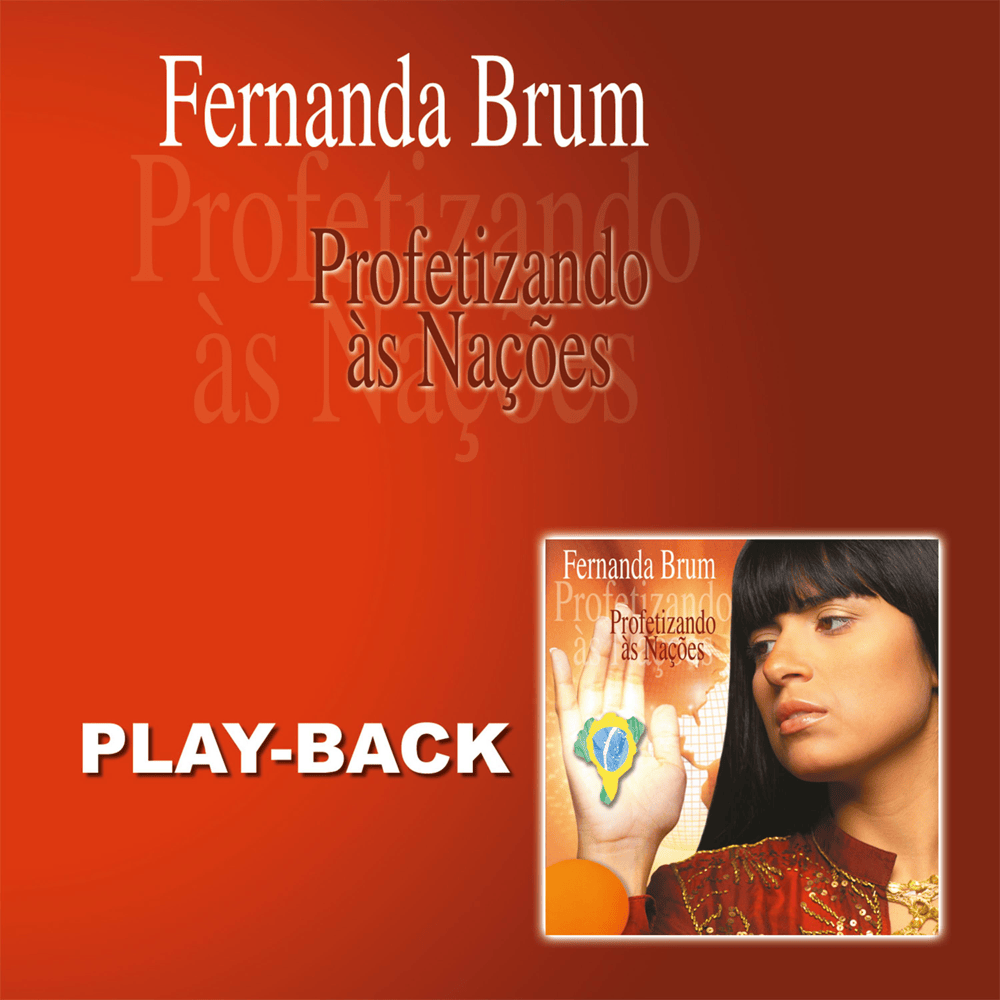
 View Artist