Song Meaning
The lyrics paint a vivid picture of a divine encounter, where a blinding light pierces through darkness, revealing an overwhelming sense of love. This celestial vision is characterized by imagery of the cross, suggesting sacrifice and infinite affection, alongside depictions of "piedade e mansidão" (mercy and meekness) held within divine hands. The presence of "querubins e serafins" (cherubim and seraphim) surrounding the narrator emphasizes the sacredness and mystery of the moment, as these heavenly beings seem to actively unveil "o mistério escondido em Deus Pai" (the hidden mystery in God the Father).
The central emotional arc moves from the initial awe of witnessing divine love to a profound sense of blessing and glorification. The narrator feels the "luz dos Seus olhos" (light of His eyes) shining directly into their heart, signifying an intimate connection and a transformative experience. This personal illumination fuels an outpouring of praise, acknowledging the Lord of hosts and the omnipotent Creator, underscoring a shift from passive observation to active adoration.
What stands out is the lyrical focus on the unseen, the "lado oculto" (hidden side) of God. While the light and love are manifest, the true revelation is of a "ministério escondido" (hidden ministry) within the Father. This concept elevates the experience beyond a simple display of power, suggesting a deeper, perhaps more complex, divine purpose being unveiled. The repeated invocation of "Deus Pai" grounds this mystery in a familial, yet supremely powerful, divine figure.
Ultimately, the effectiveness of these lyrics lies in their ability to evoke a sense of profound spiritual revelation through direct, declarative statements and celestial imagery. The language, while devotional, feels immediate, as if the narrator is recounting a deeply personal and overwhelming vision. The concluding "aleluia, honra a louvores a Deus" serves as a powerful, unadorned affirmation of faith, a direct response to the mysteries and love witnessed.
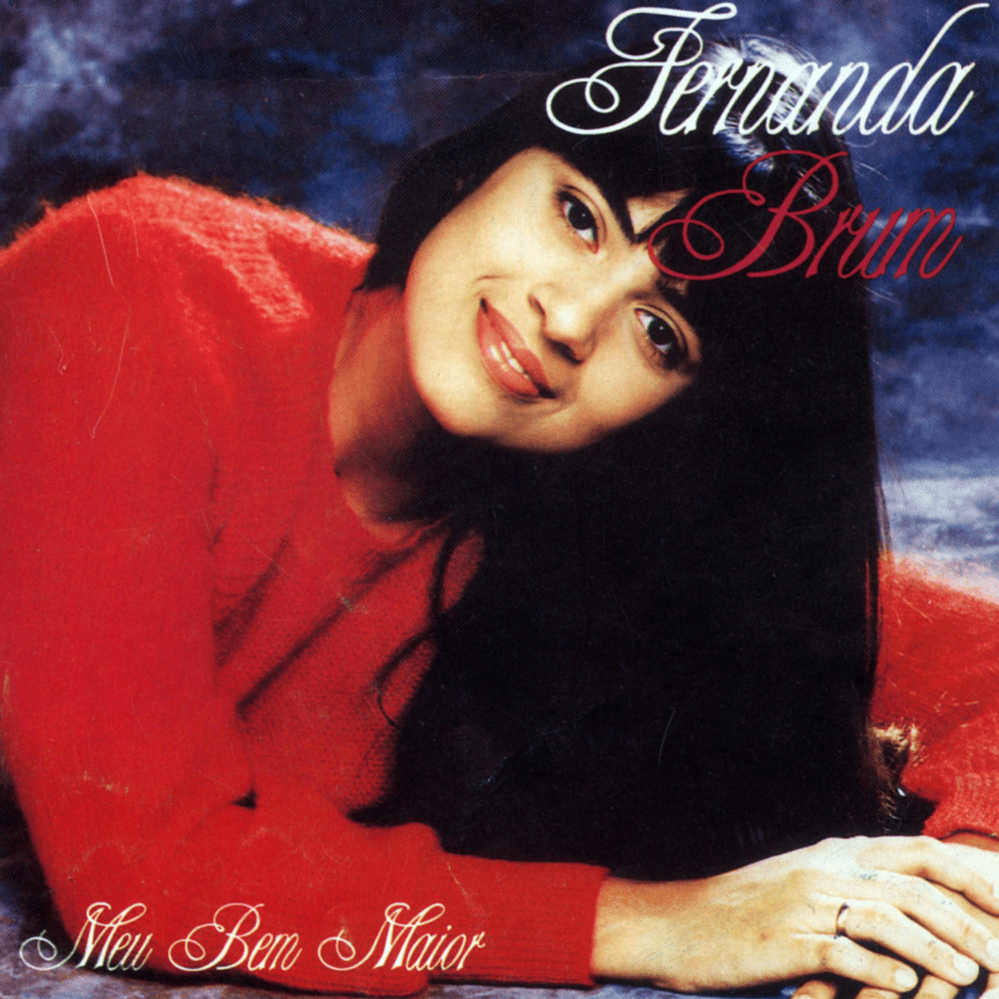
 View Artist