Song Meaning
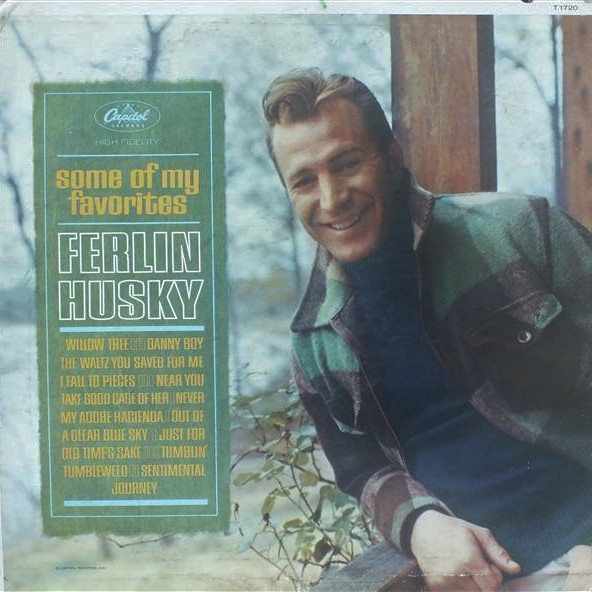
Ferlin Husky's "Willow Tree" isn't just a country ballad; it's a masterclass in melancholic symbolism. The willow, with its weeping branches, becomes a mirror reflecting the singer's own profound sorrow. It's more than just heartbreak; the tree 'knows my heart will be happy no more,' suggesting a deep-seated despair, a sense of permanent loss that transcends a simple breakup. The shift in color, 'green leaves turned to blue,' reinforces this emotional transformation, the vibrancy of life draining away, replaced by the heavy weight of sadness. The color blue, often associated with melancholy, seeps into the very essence of the willow, mirroring the singer's inner state.
The recurring phrase 'you're weeping too' implies a connection between the singer and the tree, a shared experience of grief. The willow isn't merely an observer; it's an empathetic participant in the singer's pain. This anthropomorphism elevates the song beyond a personal lament, tapping into a more universal experience of loss and connection to nature. The image of the 'poor little willow tree blues as the sky' further intensifies this feeling, painting a picture of shared desolation. Even the sky itself weeps in sympathy, blurring the lines between internal emotion and the external world.
What elevates "Willow Tree" beyond a typical heartbreak tune is the acknowledgement that the heart 'will be yours through the years.' This isn't a temporary sadness; it's a lifelong commitment to a lost love, a permanent fixture of the emotional landscape. The image of the willow tree, 'watered with tears,' becomes a symbol of enduring grief, a testament to the lasting impact of love and loss. Husky doesn't offer closure or resolution; he presents a portrait of enduring sadness, a poignant reminder of the lasting power of human connection.
 View Artist