Song Meaning
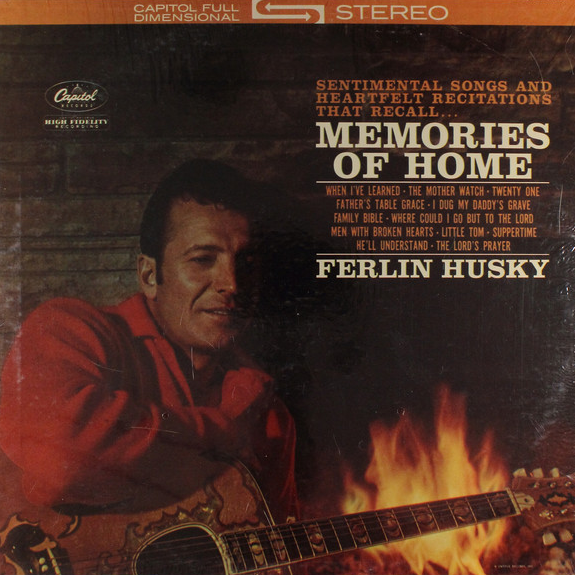
Ferlin Husky's "Where Could I Go but to the Lord" isn't just a gospel standard; it's a stark reckoning with existential loneliness. The song confronts the listener with a fundamental question of human existence: when stripped bare of earthly comforts and facing inevitable mortality, where does one turn? Husky’s delivery, imbued with a lifetime of hard-won wisdom, transforms the rhetorical question into a desperate plea for solace. The "old sinful world" he describes isn't just a Sunday school abstraction; it's a landscape of "temptation sore," a place where comfort is scarce and friendship, while valued, ultimately proves insufficient. The lyrics hint at a world of constant struggle, painting a picture of a soul wrestling with its demons in a fallen world. It's not a triumphant declaration of faith, but a raw, vulnerable admission of dependence.
The genius of the song lies in its simplicity. Husky avoids elaborate theological arguments, instead focusing on the visceral experience of human frailty. The repetition of the question, "Where could I go?", underscores the limited options available to the speaker. He acknowledges the temporary comforts of life – "friends I love so dear" and "God's own word" – but recognizes their inadequacy in the face of death. This isn't a rejection of earthly pleasures, but a sober assessment of their limitations. The song subtly suggests that these comforts are merely temporary reprieves from the inevitable confrontation with mortality.
Ultimately, "Where Could I Go but to the Lord" is a profound exploration of human dependency. It acknowledges the inherent loneliness of existence and the limitations of human connection. Husky isn't offering a simple answer, but rather articulating a fundamental human need for something beyond the material world. The song's enduring appeal lies in its unflinching honesty about the human condition, resonating with listeners who have grappled with their own mortality and the search for meaning in a world that often feels indifferent.
 View Artist