Song Meaning
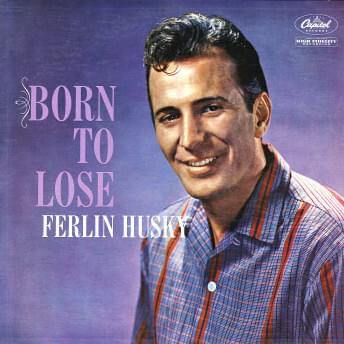
Ferlin Husky's "To My Sorrow" isn't just a country lament; it's a masterclass in emotional self-flagellation. The song meaning hinges on that central paradox: loving someone who has demonstrably caused pain. The repeated phrase "To my sorrow" becomes a mantra of sorts, an acknowledgement of the speaker's conscious decision to wallow in heartbreak rather than break free. It's not just about being sad; it's about a perverse attachment to the source of sadness itself. The lyrics paint a picture of broken vows and shattered trust, yet the singer remains tethered to the memory of the beloved. This resonates with the complex psychology of grief, where the pain of loss can become a twisted form of connection.
The brilliance of "To My Sorrow" lies in its unflinching portrayal of irrationality. The speaker *knows* they should hate the object of their affection, acknowledging "I should hate you for all these heartaches." Yet, they confess, "to my sorrow I love you yet." This isn't naive pining; it's a raw, honest admission of the messy contradictions within the human heart. The song doesn't offer easy answers or tidy resolutions. Instead, it leaves us with the unsettling truth that love can persist even in the face of betrayal and disappointment.
There's also a subtle layer of passive aggression woven into the lyrics. The lines about the former lover's hair turning silver and a future regret hint at a desire for karmic retribution. The singer imagines a day when the tables are turned, and the beloved finally understands the depth of the pain they inflicted. It's a quiet, simmering anger masked by the overall tone of sorrowful resignation. This complexity makes "To My Sorrow" more than just a simple country ballad; it's a poignant exploration of the darker corners of love and loss, and the ways in which we can become our own worst enemies in the pursuit of affection.
 View Artist