Song Meaning
Ferlin Husky's "The Great Speckled Bird" is not merely a gospel tune; it's a coded narrative of faith under siege, a defiant hymn for the marginalized. The "great speckled bird" itself is a potent symbol, widely interpreted as a metaphor for the Church, or more specifically, a fundamentalist, unyielding sect facing external pressures. The lyrics paint a picture of a community whose doctrines are constantly scrutinized ("Desiring to lower her standards they watch every move that she makes"), a subtle nod to the tensions between traditional religious beliefs and the evolving values of the outside world. Husky isn't just singing about faith; he's singing about the psychological weight of maintaining that faith in the face of judgment. It speaks to the deep-seated human need for belonging and the lengths to which individuals will go to protect their sense of identity.
What elevates "The Great Speckled Bird" beyond simple religious affirmation is its undercurrent of paranoia and resilience. The watchful eyes, the desire to find fault – these lines suggest a community that feels persecuted, constantly defending its beliefs against perceived attacks. This resonates with the psychological concept of "confirmation bias," where individuals actively seek out information that confirms their existing beliefs, reinforcing their sense of righteousness and solidifying their group identity. The song becomes a form of self-validation, assuring believers that their unwavering faith, even in the face of adversity, will ultimately be rewarded.
Ultimately, "The Great Speckled Bird," isn't just about religious devotion. It's about the human need to find solace and meaning in a world that often feels chaotic and hostile. Husky’s articulation of unwavering faith, and the promise of salvation, offers a powerful sense of hope and belonging to those who feel ostracized or misunderstood. The image of being "joyfully carried to meet him on the wings of the great speckled bird" is a powerful, almost childlike, vision of transcendence, suggesting that true freedom lies not in conforming to societal expectations, but in embracing one's own unique spiritual path.
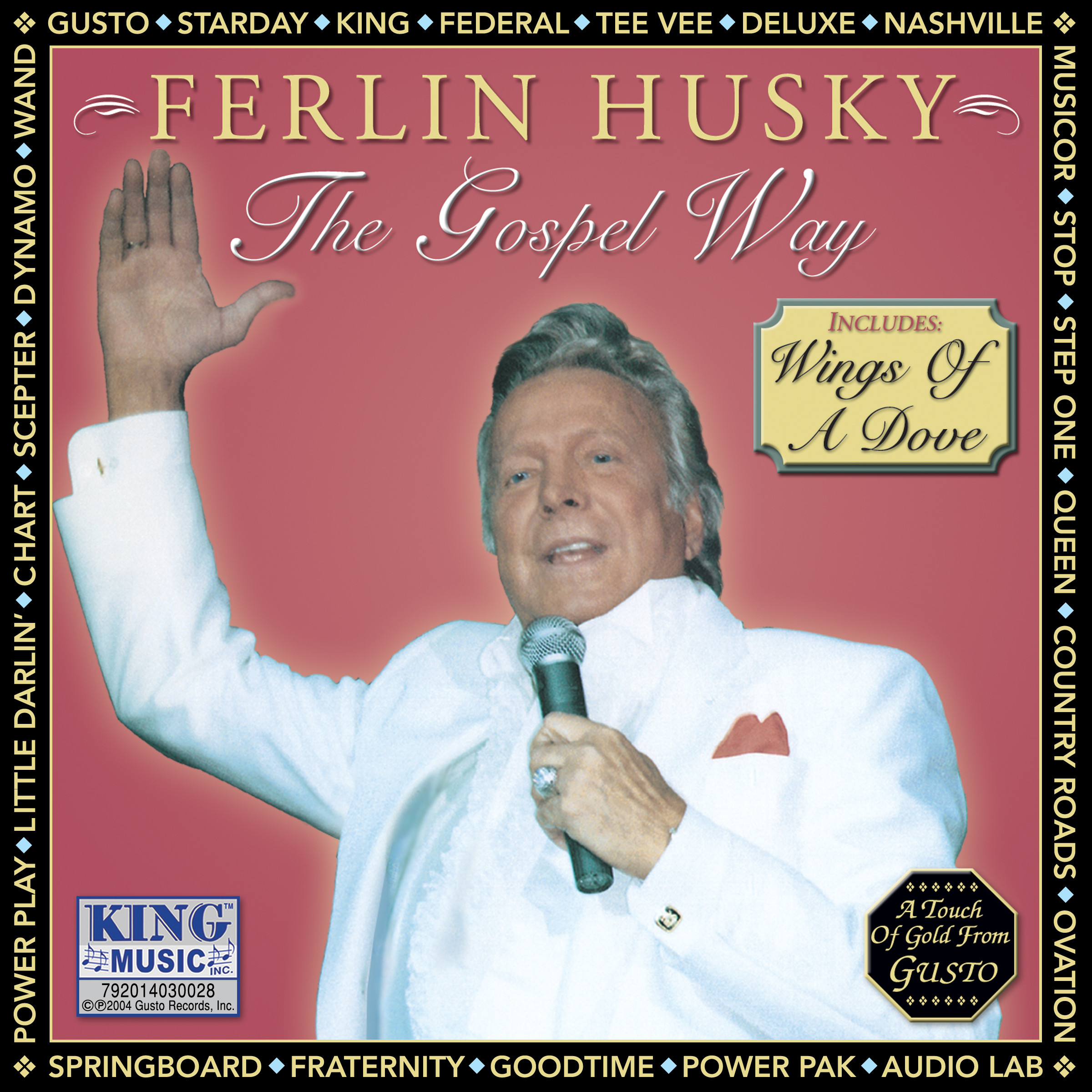
 View Artist