Song Meaning
Ferlin Husky's "That Big Old Moon" isn't a simple country ballad; it's a concentrated dose of melancholic reflection, steeped in the lonely hours after love has departed. The moon, a classic symbol of romance, is here inverted. It’s not a beacon of hope or a silent witness to blossoming love, but a cruel reminder of what's been lost. Husky doesn't just glance at the moon; he's haunted by it. It "holds nothing for me / But a lot of lonely nights and the blue memories," he sings, pinning the celestial body as an active agent in his ongoing sorrow. This isn't passive sadness; it's a battle against a cosmic force determined to keep him tethered to the past.
The lyrics analysis reveals a man trapped in a loop of remembrance. The moon "keeps on watching me won't let me love again," suggesting a deep-seated fear of vulnerability, perhaps born from a past heartbreak. The moon's reflection becomes a symbol of clouded judgment and a pessimistic outlook: "Reflects a cloud on me makes my future look dim." Husky isn't merely sad; he's convinced that his future is irrevocably tainted by the past. The repetition of "That big old moon up there..." acts as a mantra of despair, a constant echo of his isolation.
But perhaps the most poignant lines are, "You may see a man up there I used to see one too / I don't see that man no more I can only see you." This suggests a fractured sense of self. The man he once was, the man capable of love and optimism, is gone, replaced by the overwhelming presence of the lost lover. The moon, therefore, becomes a mirror reflecting not his current reality, but the ghost of a relationship that continues to define him. "That Big Old Moon" is less a love song and more a stark portrayal of grief's enduring power to warp perception and imprison the heart.
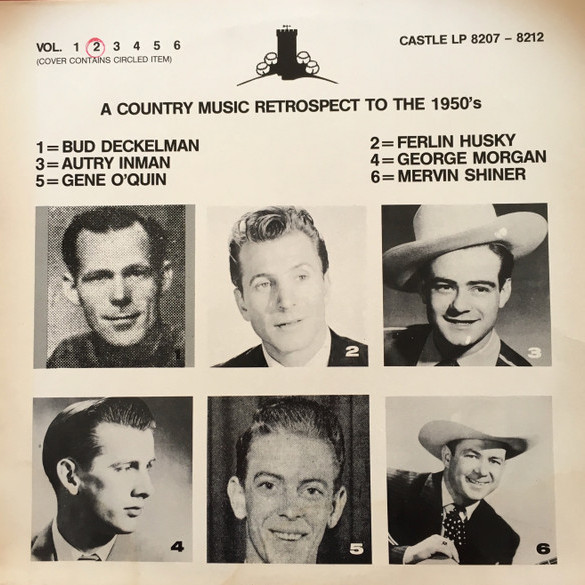
 View Artist