Song Meaning
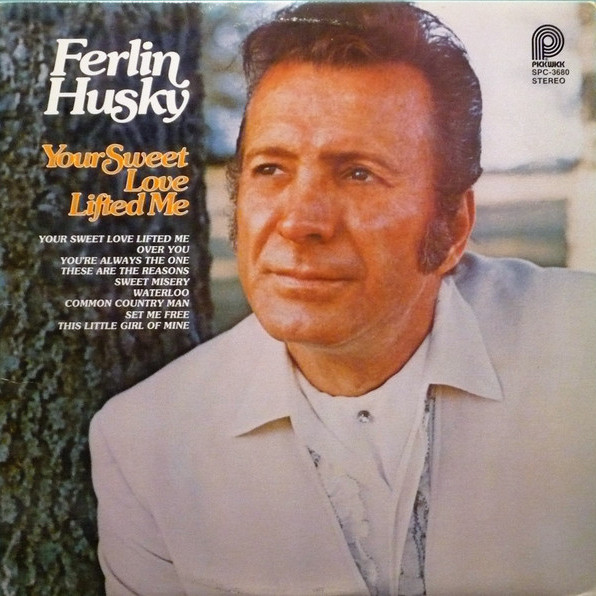
Ferlin Husky's "Sweet Misery" isn't just another heartbreak ballad; it's a masterclass in the seductive nature of pain. The song's core concept hinges on the oxymoronic title itself. This unnamed paramour isn't simply a source of anguish; she's *sweet* misery, implying a deeply ingrained, almost addictive quality to the suffering she inflicts. The narrator readily admits dwelling on this figure when he's lonely, suggesting a perverse comfort found in revisiting the source of his pain, a space where heaven and heartbreak collide. The repeated line "In her arms I was in heaven but heaven wasn't meant for me" underscores a sense of unworthiness or perhaps a premonition of inevitable loss, framing the relationship as tragically doomed from the start. This isn't merely about lost love; it's about a self-fulfilling prophecy of sorrow.
The lyrics reveal a man caught in a loop of regret and longing. He acknowledges his own role in the relationship's demise, labeling himself "a big fool." This self-awareness, however, doesn't lead to catharsis or resolution. Instead, it fuels the cycle of "Sweet Misery." The line "Now our love's gone just like an old song that no one ever wants to hear again" is particularly cutting, suggesting not only the end of the relationship but also a feeling of being discarded and forgotten. It's a brutal assessment of their shared history, reduced to something unwanted and obsolete.
Ultimately, the song meaning of "Sweet Misery" resides in its exploration of the human tendency to romanticize pain. Husky doesn't just lament a lost love; he dissects the complex psychological dance between pleasure and suffering, revealing how easily one can become entangled in the other. This unnamed woman isn't just a source of heartache; she's a symbol of the narrator's own self-destructive tendencies, his inability to let go of a past that continues to haunt him. The repetition of "Someone I call Sweet Misery" at the song's close emphasizes the almost ritualistic nature of his suffering, a self-inflicted wound he returns to again and again.
 View Artist