Song Meaning
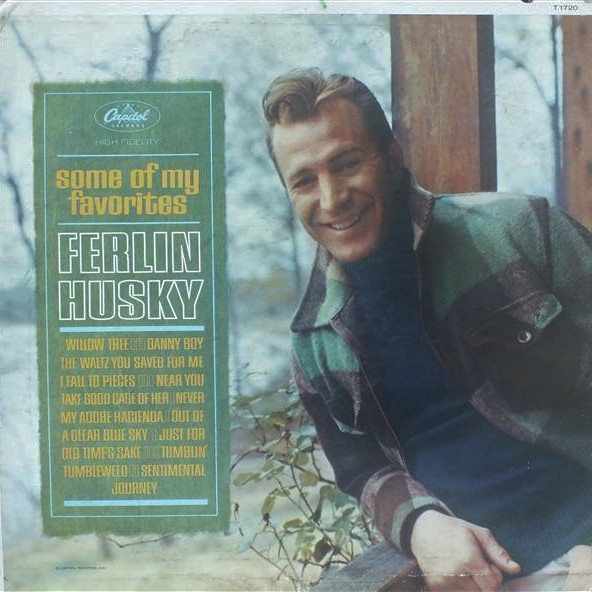
Ferlin Husky's "Sentimental Journey" isn't just a trip; it's a psychological excavation. The song chronicles more than a simple return; it’s a dive into the yearning for a past perceived as simpler, safer. The surface narrative—buying a ticket, the anticipation of departure—masks a deeper emotional current. Husky isn't just going home; he's attempting to rewind time, to recapture a feeling that eludes him in the present. The phrase "set my heart at ease" betrays an unease that propels the entire journey. It speaks to a troubled mind seeking solace, a heart restless in its current state. The lyrics betray a hint of regret. "I never thought my heart could be so yearny why did I decide to roam" is not merely a statement of fact; it's an admission of error, a questioning of life choices that led to this profound sense of longing. The 'sentimental journey' is therefore more than a physical act, it is a psychological imperative.
The repetition of the departure time ("Seven, that's the time we leave") becomes almost hypnotic, a mantra of hope. The anticipation, described as being "like a child in wild anticipation," underscores the primal nature of this need. This isn't a calculated decision; it's an instinctive pull, a regression to a time when emotions were simpler, needs were readily met, and "home" represented a sanctuary. This speaks to the deeply ingrained human need for safety, for a place of belonging that anchors us in the face of life's uncertainties. The romanticism of train travel in the lyrics, "Countin' every mile of railroad track that takes me back," reinforces the idealization of the past, transforming the mundane into something almost mythical.
Ultimately, "Sentimental Journey" explores the universal human desire to reconnect with one's roots, to find comfort in the familiar. Whether the journey succeeds in its mission is left unsaid. The song ends with the journey unresolved, the arrival unconfirmed. The true destination isn't a place, but a state of mind. The song's analysis rests on the idea that Husky is not just seeking a physical location, but a return to a state of emotional equilibrium, a place where the heart can finally be at ease. The listener is left to ponder whether such a return is ever truly possible, or whether the past, once revisited, inevitably reveals itself to be different from the idealized memory.
 View Artist