Song Meaning
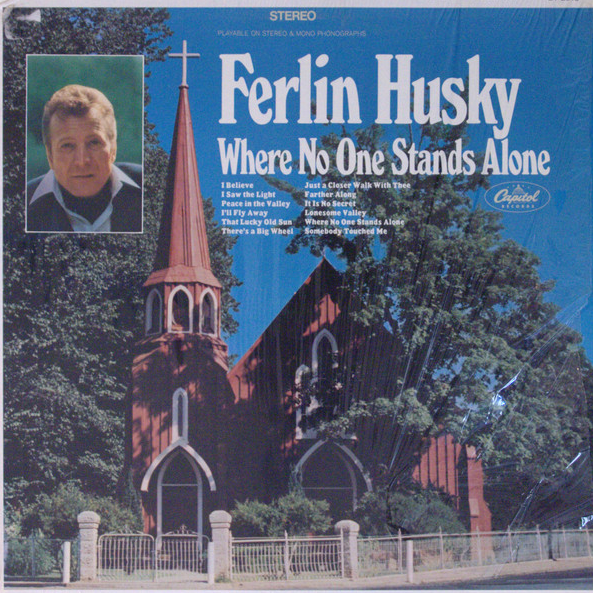
Ferlin Husky's "Peace in the Valley" isn't just a gospel standard; it's a potent articulation of longing. The opening lines, "I'm tired and so weary but I must go along," immediately plunge us into a state of exhaustion, a weariness that transcends mere physical fatigue. It speaks to a deeper existential burden, a sense of trudging through life's hardships until 'the Lord comes and calls me away.' This isn't a passive acceptance of fate, but a determined perseverance fueled by the promise of eventual release. The juxtaposition of the 'bright' morning and the 'black as the sea' night highlights the stark contrasts of life, the alternating periods of hope and despair that define the human condition.
The core of the song meaning resides in the repeated refrain: "There will be peace in the valley for me." This 'valley' isn't merely a geographical location; it's a metaphor for a state of being, a sanctuary free from the "sadness, sorrow, no trouble" of earthly existence. The yearning for this peace is palpable, a heartfelt plea for respite from the trials of life. Husky's delivery, imbued with sincerity, elevates the song beyond a simple religious declaration into a deeply personal expression of hope.
The second verse introduces a utopian vision, drawing heavily on biblical imagery. The lion lying down with the lamb, the wild beasts led by a child – these are powerful symbols of harmony and reconciliation. But perhaps the most striking line is "I'll be changed from this creature that I am." This suggests a profound transformation, a shedding of the flawed self in favor of a higher, more perfect form. In essence, "Peace in the Valley" offers not just solace, but the promise of ultimate self-actualization, attainable only in the afterlife. It's a song about trading earthly struggle for heavenly serenity, a sentiment that resonates deeply regardless of one's specific religious beliefs.
 View Artist